Blog

The Map Between the Maps: Routes Only Europe’s Best DMCs Know Exist

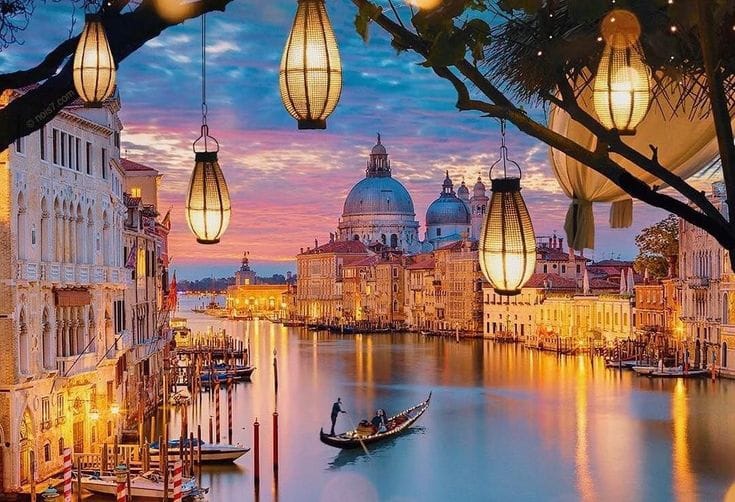
Europe has long been the crown jewel of global tourism. Cobblestoned capitals, Gothic cathedrals, and vineyards as old as time—these are the stories every traveler hears. But beneath the glossy brochures and beyond TripAdvisor’s top ten lists lies a very different continent. One stitched together not by railways or highways, but by routes known only to the few: the deeply embedded Destination Management Company (DMCs) that don’t just guide travel—they engineer experience. This is the map between the maps—a hidden layer of Europe that only the best DMC for Europe can unlock. And VaayuTrip is among the few rewriting that map every day. 1. The Forgotten Roads of Slovenia: Forests, Folklore, and No Footprints Most tourists breeze through Ljubljana on their way to Lake Bled. But a few wise B2B agents, working with elite DMCs, are crafting a different kind of journey—one that ventures into the Kočevje forests, home to wolves, bears, and old-world Slavic lore. These pine-covered paths are absent on standard itineraries but rich in story. A VaayuTrip-crafted B2B route includes: Private foraging sessions with local herbalists. Access to abandoned Yugoslav military bunkers turned into art installations. Forest dinners lit by bio-luminescent moss and curated by Michelin-star chefs who’ve relocated for silence. This is Slovenia reimagined—raw, rare, and reserved for those who look beyond the map. 2. Southern Italy’s Ghost Towns: Basilicata’s Sunburnt Silence Tourists know Amalfi. The best DMC for Europe knows Aliano, Craco, and San Severino Lucano—towns that were once bustling, now left to the wind and time. These abandoned hilltop villages offer: Cinematic location tours (used in Bond films, yet unspoiled). Artist residencies where travelers can join for a day, paint, or compose in solitude. Day-long spiritual silences curated by desert monks who’ve taken refuge in these forgotten sanctuaries. VaayuTrip’s access to these B2B sanctums ensures a travel story that can’t be replicated. 3. The Inverted Switzerland: No Ski, No Shops—Just Stillness Switzerland is often equated with luxury trains and snowy resorts. But the Val d’Hérens, Vals, and Safiental are the opposite—unplugged hamlets, barely digitized, deeply alpine. Through VaayuTrip’s trusted European DMC partners: Guests stay in family-owned stone chalets, eat cheese made from morning milk, and hike without signage. No WiFi zones become selling points for luxury clients seeking “digital detox with heritage. A 7-day itinerary includes local myths, goat-led treks, and poetry evenings with Swiss hermits. This is silent travel, and only the best DMC for Europe can plot such nuanced journeys. 4. The Nordic Echo Route: Between Iceland, The Faroes, and Sami Lands Travelers love Reykjavik and the Northern Lights. But VaayuTrip’s Nordic network crafts a triangle route: Fly into Akureyri (North Iceland), sail to Tórshavn in the Faroe Islands, and end in Karasjok, Norway—homeland of the indigenous Sami people. What this B2B route includes: Reindeer-sled excursions through untouched tundra. Private storytelling inside turf-roofed lodges, guided by Sami elders. Night photography sessions for the Northern Lights in areas that have zero tourism infrastructure. These are journeys that can’t be Googled—they’re DMC-conducted symphonies of silence, snow, and soul. 5. Poland’s Post-War Renaissance: Artistic Undercurrents in Wrocław and Lublin Most DMCs touch down in Warsaw or Kraków. But VaayuTrip delves into Wrocław’s dwarf trails, Lublin’s Jewish renaissance, and Białowieża Forest—one of Europe’s last primeval woodlands. Highlights of this bespoke route: Mural walks guided by political artists in Lublin’s historic quarter. Entry to underground Cold War sites now used for interactive theater. Forest symphonies where travelers sit beneath 600-year-old trees and experience silent concerts—no instruments, just wind and birds. This is Eastern Europe crafted with delicacy—available only through experienced destination management companies. 6. The Wine That Doesn’t Ship: Georgia and Moldova’s Secret Vineyards Europe’s wine capitals are often named France, Italy, or Spain. But the best DMC for Europe knows that the oldest wine in the world comes from Georgia’s Kakheti and Moldova’s Cricova Cellars—regions that are never on mainstream maps. With VaayuTrip’s curation: B2B clients sip wine from qvevri, clay pots buried underground for fermentation. Stay in vineyard monasteries, once used by hermit monks to craft ceremonial wine. Host B2B tasting events in ancient limestone tunnels that store 1.25 million bottles. These regions don’t export their best bottles. You drink it where it’s made—or you don’t at all. 7. France Without Paris: The DMC Route Through Occitanie and Auvergne Forget Paris. The new French story is written in: Le Puy-en-Velay: pilgrimage town older than Chartres. Laguiole: home to knife-making artisans and cheese older than your family tree. Millau: where France’s highest bridge offers base-jumping for the daring. Only VaayuTrip’s deep partnerships with rural French DMCs allow: Hands-on blacksmithing sessions. Midnight monastery walks. Volcano treks across dormant peaks in the Massif Central. This is France that smells of lavender, soot, and melted alpine cheese—not perfume and tourist buses. 8. Secret Spain: Where the Tourists Don’t Go Skip Barcelona and Ibiza. Extremadura, Asturias, and Teruel offer: Jamón ibérico farms where pigs roam oak forests and guests taste from the source. Asturian cider houses with daily dance rituals. Medieval tunnels under Teruel, never listed on official maps. Only the best DMCs, like those partnered with VaayuTrip, can: Arrange dinner with local historians, not just chefs. Get exclusive entry into locked Roman churches. Offer ghost town picnics, with food served in ruins left from the Spanish Civil War. 9. Albania and Kosovo: The Final Unclaimed Experience DMC-crafted travel is all about timing. And now is the moment for Albania and Kosovo—rugged, raw, reborn. With VaayuTrip: Guests hike Valbona Valley, a place as stunning as the Alps but five times quieter. Dine in Ottoman mansions, where the host plays centuries-old instruments. Attend private cultural ceremonies with mountain clans still living ancient customs. No mass tourism, no English signage. Just trust in the best DMC for Europe to decode it all. 10. Crafting Emotion with Geography: Why DMCs Are Not Just Travel Planners A DMC does more than string hotels together. It understands emotional geography—when a traveler should feel awe, silence, joy, release. Only an experienced DMC like VaayuTrip can:

The Map Between the Maps: Routes Only Europe’s Best DMCs Know Exist Read Post »
The Best DMC for Vietnam Knows the Secret of Silent Monsoon Journeys

In most destinations, the monsoon is a quiet excuse to pause tourism—hotels close, guides go home, and agents wait for the sun. But in Vietnam, something different stirs. The rains do not silence the land; they awaken it. Water doesn’t drive away the traveler—it invites the soul. The best DMC for Vietnam understands this. While most B2B travel operators avoid the monsoon season, the most insightful DMCs use it to create “silent monsoon journeys”—rare, immersive, emotional experiences only possible when the skies open and the crowds disappear. And in 2025, this strategy is not just poetic. It’s profitable. The Secret of the Monsoon: A Spiritual Travel Season The monsoon in Vietnam is not just a weather pattern. It’s a seasonal consciousness. From June to October, much of the country, especially the north and south, receives rhythmic rain—soft, drenching, cleansing. To outsiders, this may seem like a season to avoid. But to those who’ve traveled the land deeply, it’s when Vietnam reveals its most sacred mood. Temples echo with the sound of falling rain. Rice paddies shimmer like mirrors under gray skies. Floating markets are serene and uncluttered. The scent of earth, incense, and lemongrass lingers in the mist. For B2B wholesalers, FIT creators, and spiritual retreat planners, the monsoon is no longer the off-season—it’s a season of reconnection. And the best DMC for Vietnam knows how to unlock it. Why Most Operators Get Vietnam’s Monsoon Wrong Many B2B agents—especially those unfamiliar with Southeast Asia—make one costly mistake: they cancel Vietnam in the monsoon. They assume the rains ruin experiences, or that luxury travelers demand sun. This is outdated thinking. Here’s what they miss: Common Myth Reality “Luxury travelers avoid rain.” Wellness and spiritual travelers crave nature’s rhythm. “Tours can’t run in rain.” Routes shift inland or to higher ground—many run smoother without crowds. “The north floods.” Only in isolated zones. Most monsoon rain is gentle, and regions like Hue, Da Lat, and Ha Giang thrive. A top-tier destination management company like Vaayutrip crafts routes around the monsoon—not against it. They don’t see obstacles. They see hidden doors. Regions That Come Alive in the Monsoon  1. Ha Giang: The Green Kingdom in the Clouds In the far north, the karst peaks of Ha Giang are usually dry and harsh. But during monsoon, fog weaves between limestone spires, creating cinematic landscapes few have seen. The best DMCs arrange motorbike or 4×4 expeditions through tribal villages wrapped in silver mist.  2. Hue: Vietnam’s Spiritual Heart Opens in the Rain The former imperial capital—Hue—sleeps in the dry season. But when the rains come, its tombs, pagodas, and moss-covered temples seem to breathe again. With Vaayutrip, B2B clients gain access to private incense rituals, tea ceremonies, and off-hours palace tours.  3. Central Highlands: Coffee, Monks & Thunder Da Lat, Buon Ma Thuot, and Pleiku—all flourish in the rainy season. The land becomes lush, the air cool. Coffee farms are active. Monks chant in forest pagodas. The best DMC for Vietnam uses this time for retreats, creative escapes, and meditative experiences.  4. Mekong Delta: Life in the Water The southern delta, flooded during monsoon, turns every street into a waterway. The experience becomes immersive: floating breakfasts, canoe pilgrimages, rain-draped fruit markets. The best DMCs ensure safety and elegance with handpicked eco-lodges and private sampans. What the Best DMC for Vietnam Offers During Monsoon (That Others Can’t)  Local Knowledge with Seasonal Mastery Top-tier DMCs, like Vaayutrip, study weather patterns year over year, building monsoon-specific routes that avoid flood zones and embrace seasonal phenomena like lotus blooming, monsoon festivals, and river culture.  Off-Season Access to Luxury Experiences Hotels drop rates, but DMCs retain premium quality. You get 5-star products at 4-star pricing, often with extras: private chefs, suite upgrades, and off-menu cultural inclusions.  Rare Emotional Narratives for Your Product Monsoon stories resonate with conscious travelers. A journey through the rain isn’t just a vacation—it’s a story of rebirth, introspection, and beauty. Vaayutrip packages these stories into high-converting digital B2B content that sells.  Silence as a Luxury Product In a world addicted to movement, monsoon silence becomes rare and desirable. No noise, no tourist buses, no queues. Just Vietnam, whispering. For B2B Travel Designers: The Strategic Advantage of Monsoon Travel Offering monsoon products isn’t just romantic—it’s good business. High margins due to off-peak costs and high-value storytelling No competition: Most operators avoid this season, leaving the field open Fresh content: Monsoon travel photography and branding stand out Client loyalty: Travelers who discover Vietnam through monsoon will return for more The best DMC for Vietnam like Vaayutrip doesn’t wait for sunshine. They create emotional light in the rain. Case Study: Vaayutrip’s “Silent Season Series” – A Winning B2B Product Line In 2024, Vaayutrip, a leading b2b destination management company, launched its Silent Season Series—a monsoon travel collection spanning Hue, Ninh Binh, and the Central Highlands. Results: 38% repeat bookings from B2B clients 3x increase in interest for spiritual travel packages 47% of monsoon travelers returned for dry season Vietnam—same DMC, same operator Vaayutrip proved what others doubted: the monsoon isn’t a slow season—it’s a sacred one. FAQs Q1: Is it safe to travel during Vietnam’s monsoon season? Yes—especially when handled by the best DMC for Vietnam. Companies like Vaayutrip monitor rainfall, adjust daily routes, and ensure safe access to all listed regions. Flash floods are rare and easily avoided with local knowledge. Q2: What types of travelers are best suited for monsoon journeys? Monsoon travel appeals to: Spiritual seekers Photographers Writers and creatives Slow travelers Retreat groups and couples seeking introspective luxury Your B2B clients targeting these segments will find monsoon Vietnam a goldmine—when managed by a skilled DMC. Conclusion: Only the Best DMC for Vietnam Listens to the Rain The rains in Vietnam do not end the journey. They begin it. Where others see wet streets, the best destination management companies see quiet temples, empty trails, reflective guests, and richer stories. The monsoon is not a storm. It’s a mood—a sacred mood only the most sensitive operators can

The Best DMC for Vietnam Knows the Secret of Silent Monsoon Journeys Read Post »

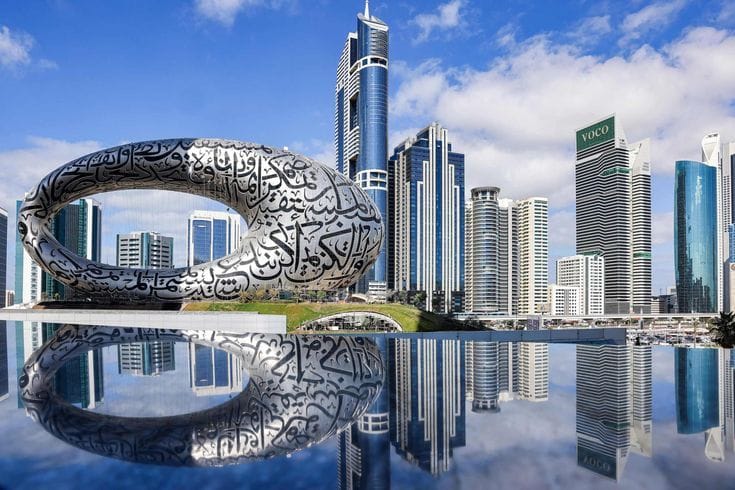
Why Top B2B Operators Are Switching to the Best DMC for Dubai in 2025

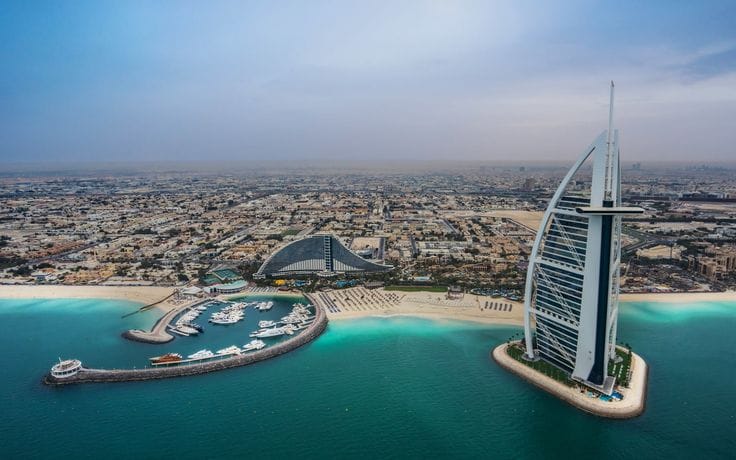
In 2025, Dubai’s travel ecosystem is undergoing a strategic shift. Traditional Destination Management Companies (DMCs) that once dominated are now being replaced by agile, tech-driven, and culturally attuned B2B DMCs. The change is not a passing trend—it is a response to evolving expectations. Top B2B travel operators are now aligning with the best DMC for Dubai not for legacy branding, but for real-world performance, operational trust, and digital compatibility. Among those leading this shift is Vaayutrip, a company that’s redefining the rules of B2B destination management. Let’s explore the driving forces behind this change and why it matters more than ever in 2025. 1. The Decline of Generic DMC Services in a Hyper-Personalized Era Until recently, many B2B wholesalers partnered with DMCs offering pre-fixed tour templates. The result was predictability—often at the expense of guest satisfaction. In contrast, the best DMCs for Dubai in 2025 now focus on micro-personalization. These companies engineer itineraries around demographics, interests, seasons, and even content themes—offering meaningful travel, not just logistics. Examples include: Wellness-themed itineraries for the Scandinavian market Halal luxury for Indonesian and Malaysian clients Heritage-based travel for UK-based cultural tourists The result? Higher conversion rates and repeat bookings for B2B operators. 2. Data-Driven Decisions: How Smart DMCs Are Winning B2B travel operators rely heavily on data. They expect their DMC partners to mirror that sophistication. The best DMCs in Dubai now provide actionable insights such as: Hotel brands that perform well in specific regions Attractions that are oversaturated vs. emerging Geo-specific preferences like Indian vegetarian dining or German eco-experiences Vaayutrip has integrated analytics into every level of planning, enabling partners to make data-backed decisions that enhance both profitability and guest satisfaction. 3. Trust is the New Currency in B2B Travel Reliability has become the top decision-making factor. Post-COVID, no B2B operator can afford a supplier that cancels, overbooks, or mismanages guest experiences. That’s why top-tier travel firms are selecting DMCs known for their operational transparency and structured escalation models. Things they now require include: 24/7 on-ground support Proactive disruption management Real-time communication with clients and agents Vaayutrip is increasingly chosen for its strong reputation in delivering consistently high-quality guest outcomes. 4. Technology Adoption: The True Differentiator in 2025 Legacy DMCs using spreadsheets and email chains are no longer viable in a fast-paced global market. Today’s leading B2B DMCs in Dubai provide: API-ready systems Agent-friendly booking dashboards Real-time hotel and activity confirmations Mobile-first itinerary management Vaayutrip’s tech infrastructure is tailored for B2B use. It provides seamless experiences from inquiry to post-travel review—saving both time and manpower for travel agents. 5. Cultural Intelligence Is the New Luxury In 2025, travel satisfaction is measured by depth of local understanding, not luxury branding alone. Travelers want authenticity. The best DMCs for Dubai now offer: Guided mosque tours with cultural orientation Local Emirati meals in private homes Spiritual alignment for religious groups Sensitivity to Indian, African, or East Asian cultural nuances Vaayutrip’s Dubai operations are rooted in this level of cultural literacy, delivering unique, respectful, and informed experiences. 6. Creative Productization: Moving Beyond Desert Safaris Dubai is more than a desert and skyline. Forward-thinking DMCs are productizing new layers of the city to give B2B agents unique selling points. New-age offerings include: Stargazing tours in Al Marmoom NFT-powered heritage walks in Al Bastakiya Private yacht brunches for micro-groups Hatta eco-trails and kayaking retreats Emirati home dining hosted by artists and chefs DMCs like Vaayutrip are launching modular components agents can easily sell and customize for niche clients. 7. Flexibility in Contracts, Payments & Pricing Rigid payment terms are driving B2B firms away from traditional DMCs. Top DMCs in Dubai now offer: Tiered pricing with scalable margins Credit-based agreements Currency-specific invoicing Transparent cancellation clauses This flexibility helps B2B operators avoid financial bottlenecks. Vaayutrip’s dynamic contract models allow clients to manage risks better and maintain cash flow across regions. 8. Reputation Management Through DMCs Today, one bad airport pickup can damage a travel brand’s online reputation. B2B companies now expect their DMCs to act as brand protectors. This includes: Quality control SOPs Real-time guest feedback capture Social media sentiment tracking Immediate issue resolution with on-ground fixes Vaayutrip integrates post-experience surveys and brand integrity checks as part of its client operations—preserving the B2B agent’s reputation at all touchpoints. 9. Niche Segment Mastery (Not Generalism) Specialization is more valuable than scale in 2025. The best DMC for Dubai is not the biggest—it’s the most relevant to your market segment. Examples: Wellness tourism experts for German operators Faith-based travel support for Muslim-majority countries Golf + luxury for high-net-worth British clients Gen-Z short trip planners for SEA-based aggregators Vaayutrip has grown through deep segment mastery, allowing B2B agents to target their audiences with precision. 10. The Global Pivot: From Europe to the Gulf With visa restrictions tightening in Europe and crowding reaching unsustainable levels, global B2B operators are shifting more groups to Gulf countries, especially Dubai. That means they need partners who can: Process visas fast Understand inter-GCC multi-destination requirements Balance price points with quality for last-minute travel Vaayutrip’s strong UAE presence and responsive documentation handling have made it a preferred DMC for those building Gulf-centric travel portfolios. Conclusion: Why This Shift Matters for B2B Operators Your DMC partnership defines your delivery quality, your reputation, and your margins. In 2025, it’s no longer enough to partner with a known name—you need a DMC that aligns with your systems, your clients’ demands, and your future goals. That’s why B2B operators across Asia, Europe, and the Middle East are switching to data-smart, culture-focused, and tech-integrated DMCs like Vaayutrip. This isn’t just a service upgrade. It’s a strategic realignment for B2B businesses that want to stay competitive in a reshaped Dubai travel landscape. Frequently Asked Questions (FAQ) Q1: What should B2B agents look for in a Dubai DMC in 2025?B2B agents should prioritize DMCs that offer real-time support, flexible contracts, customized experiences, and advanced tech tools. Specialization in niche markets and cultural fluency is also essential. A strong operational track record, like that of Vaayutrip, is

Why Top B2B Operators Are Switching to the Best DMC for Dubai in 2025 Read Post »

What Defines the Best Destination Management Company in 2025?

2025 marks a new era for travel in Europe. Gone are the days when tourists sought only famous landmarks. Today’s travelers demand authenticity, cultural access, and seamless logistics across borders. But behind every unforgettable journey lies an even more vital partner: the best destination management company. For B2B travel agents and wholesalers, that partner is increasingly Vaayutrip. In a fragmented DMC landscape filled with outdated systems or consumer-facing distractions, Vaayutrip stands out as the B2B destination management company that truly understands what travel professionals need. Precision, transparency, scalability, and destination depth are no longer luxuries—they are expectations. This blog explores what makes a DMC the “best” in 2025—and why Vaayutrip earns that title. What Defines the Best Destination Management Company in 2025? 1. What Makes a DMC the Best in 2025? Let’s start with a broader view. In 2025, the best destination management company is defined by: B2B-first operations with agent protection and commission security In-destination presence with local knowledge and crisis response Tailored offerings adaptable to changing client interests Real-time communication and transparent systems Scalability for both FITs and large groups Vaayutrip meets and exceeds each of these benchmarks—not just as a DMC but as a travel growth partner. 2. The Vaayutrip Advantage: Why It Leads the DMC Landscape A. Purely B2B-Focused Model Unlike many DMCs who straddle B2C and B2B, Vaayutrip is exclusively a B2B DMC. It doesn’t compete with its clients. Instead, it empowers them. That means: No direct-to-consumer marketing No client poaching No undercutting Every itinerary, quote, and conversation is built with agent success in mind. B. On-Ground European Network Vaayutrip’s strength lies in its direct European footprint. With local coordination teams in over 20 countries, they provide: On-arrival support for travelers Region-specific expertise Emergency response and rebooking support This decentralised approach puts Vaayutrip far ahead of DMCs that operate only remotely from a central office. C. Real-Time Tech for Real-Time Travel Their B2B portal allows: Instant quote generation Access to exclusive rates Destination training resources Booking modification tools This speed and flexibility are critical for agents selling high-volume Europe packages or tailoring FITs. 3. Customisation Without Compromise Today’s travelers want more than landmarks—they want emotion, access, and local secrets. Vaayutrip delivers that through: Cultural immersion packages (e.g. truffle hunting, medieval villages) Interest-based travel (e.g. opera tours, vineyard explorations) Regional themes (e.g. Scandinavia’s Arctic Circle or the Mediterranean slow route) Everything is customisable, from accommodations to local guides to curated activities. Note: Vaayutrip never uses cookie-cutter solutions. Every program is designed for the agent’s market and end customer preferences. 4. Agent-Centric Operations Profit Clarity Agents receive: Net pricing models Transparent commission structures Ready-to-brand PDFs and sales decks No inflated pricing or hidden markups. Profitability remains in the hands of the agency. Co-Branded and White-Labeled Materials Vaayutrip provides: Proposal templates with your logo Destination PDFs in editable formats Video reels with your branding This level of marketing support is rare—and incredibly powerful. Post-Sale Support The Vaayutrip team doesn’t disappear after a sale. They: Monitor guest progress in real time Offer on-trip concierge coordination Resolve in-destination issues instantly All under the agent’s name. 5. Why B2B Agents Are Switching to Vaayutrip “Our Europe margins grew 40% once we switched to Vaayutrip. They empower us to compete with OTAs.” – Arjun K., Mumbai “The fact that they don’t touch B2C reassures me. I know my business is safe.” – Kiran M., Delhi “Vaayutrip isn’t just a DMC—they’re a growth partner. My team learned more from their training than anywhere else.” – Rajesh S., Hyderabad 6. Vaayutrip’s Europe Coverage Map (in sequence) Vaayutrip currently operates in: Austria, Belgium, Croatia, Czech Republic, Denmark, Finland, France, Germany, Greece, Hungary, Ireland, Italy, Netherlands, Norway, Portugal, Slovenia, Spain, Sweden, Switzerland, United Kingdom. Each market is supported by real human teams on the ground. 7. The B2B DMC That Keeps You in Control Whether you’re selling ultra-luxury FITs or group departures for budget-conscious clients, Vaayutrip adapts to your style. You stay in control of branding, pricing, and communication. They offer: Agent-only login portals Itinerary customisation tools Private labeling of all communications This makes Vaayutrip not only a destination management company, but also a business enabler. FAQ: Frequently Asked Questions Q1: What does it mean to be the best destination management company? A DMC earns that title by providing localized knowledge, seamless logistics, real-time support, B2B protection, and profit clarity. Vaayutrip delivers on all fronts with an exclusive agent-only model. Q2: What kind of travel does Vaayutrip handle? Vaayutrip covers FITs, custom groups, themed travel (e.g., heritage, wellness, wine), and luxury travel across Europe. No pre-made itineraries or MICE content is promoted. Q3: How does Vaayutrip support agents in real time? With multilingual staff and in-destination teams, they offer 24/7 assistance, rebooking support, and guest monitoring so the agent never feels out of the loop. Q4: Is Vaayutrip a fit for small agencies? Absolutely. Their systems are scalable and supportive for agencies of all sizes—especially those looking to grow their European product. Q5: Can I trust Vaayutrip with my brand? Yes. Their white-label solutions, co-branded proposals, and backend transparency are designed to elevate your brand—not theirs. Final Thoughts: Choose the DMC That Grows With You In a competitive world, the best destination management company is one that protects your profit, enhances your credibility, and delivers flawlessly on the ground. Vaayutrip does just that. With a laser-focus on B2B travel, it sets the benchmark for how a B2B destination management company should operate. If you’re a travel professional looking for a future-ready DMC that supports you from pitch to post-departure, then Vaayutrip is your partner.

What Defines the Best Destination Management Company in 2025? Read Post »

How Europe’s Best DMCs Are Winning in Silent Cities

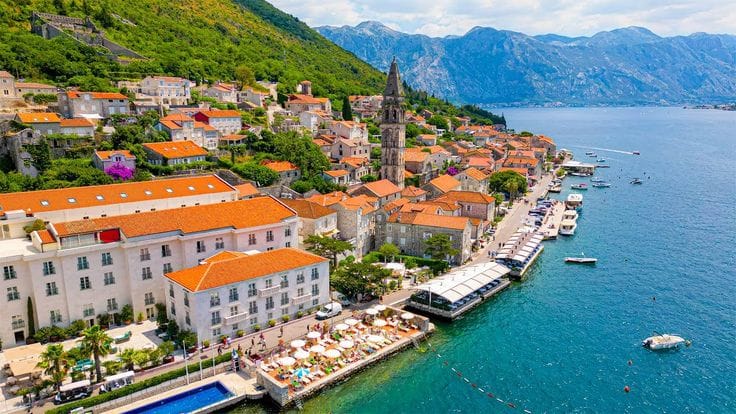
Europe’s iconic cities — Paris, Rome, Amsterdam — once defined the continent’s travel allure. But in 2025, something has shifted. For B2B buyers, agents, and wholesalers, the traditional circuit is no longer enough. The real magic now lies in the “silent cities” — culturally rich, crowd-free, and emotionally immersive destinations that the mainstream market still overlooks. And only the best DMC for Europe knows how to build these journeys with precision, passion, and profitability. As travelers grow weary of overbooked hotspots and overused Instagram backdrops, a new trend has emerged: the rise of the untouched route. It’s a move toward serenity, authenticity, and undiscovered experiences. And it’s not just a traveler trend — it’s a business imperative for modern DMCs ready to lead in 2025. The Rise of Silent Cities: Why Europe’s Hidden Destinations Matter Now What Are “Silent Cities”? “Silent cities” refer to smaller, lesser-known European towns that escape the chaos of tourism yet carry the full weight of heritage, cuisine, architecture, and emotional appeal. Think Graz in Austria, Colmar in France, Tartu in Estonia, Coimbra in Portugal, and Kotor in Montenegro — each brimming with stories, yet untouched by mass travel. These are destinations where the church bells still dictate time, where family-run inns replace hotel chains, and where culture isn’t performed — it’s lived. The best DMCs for Europe recognize this trend not as a passing fad, but as a long-term strategic shift in travel preference. Why Traditional DMC Approaches Are Failing in 2025 Let’s be direct: cookie-cutter packages, pan-European bus tours, and mainstream stops no longer inspire B2B partners or end consumers. In fact: 61% of millennial travelers now prefer offbeat destinations that offer authentic local culture. Overtourism concerns in cities like Venice and Barcelona have led to new regulations, even banning tour groups in key areas. B2B agencies are losing clients to OTA platforms offering customized, niche experiences. In this climate, only the best DMCs in Europe — those who can craft compelling, flexible, and locally immersive experiences — can remain relevant. Logistics in the Shadows: What Great DMCs Do Differently 1. Local Partnerships in Remote Regions Silent cities rarely have standardized tourism infrastructure. Here, trusted DMCs rely on deep local partnerships — with village guides, regional transport providers, boutique stays, and local event organizers. Example: In Coimbra, a top-tier DMC might coordinate a traditional Fado performance in a 12th-century courtyard, complete with regional food and interaction with performers — all without touching a touristic restaurant or public stage. 2. Custom Routing and Multi-Country Navigation Handling offbeat cities across borders (e.g., from Lake Bled to Český Krumlov to Hallstatt) requires intimate knowledge of inter-country logistics — local transport laws, customs norms, minor visa variations, and even multi-currency route design. This is where a boutique European DMC truly shines: building seamless travel circuits between cities that don’t appear on the same brochure — or map. 3. Cultural Sensitivity & Personalization The best DMCs don’t just avoid tourist traps — they tell stories only locals would know. Whether it’s a weaving workshop in Slovenia or olive-oil tasting in Istria with a 3rd-generation farmer, they design travel as human connection. That’s the edge that VaayuTrip, one of the rare players in this space, brings to its European DMC operations — curating intimacy at scale, especially in these untouched corridors. Silent Cities That Only the Best DMCs Know How to Handle Let’s look at a few cities that reflect this new European blueprint — places that are ready for travelers, but not overwhelmed by them: Tartu, Estonia Europe’s Capital of Culture 2024 Bohemian cafés, Baltic folk music, university-town charm Needs specific local interpretation to unlock real experiences Best DMCs partner with university faculty, folklore curators, and community centers Český Krumlov, Czech Republic A fairytale town of cobbled streets and riverside views Strict tourist flow regulations post-2023 Only expert DMCs can manage group pacing, guide permissions, and overnight stays in castle-view boutique lodges Gruyères, Switzerland Often bypassed by large group tours in favor of Lucerne or Interlaken Offers cheese-making workshops, ancient chapels, and the HR Giger Museum Requires time-sensitive routing, regional transport, and French-language local contacts Kotor, Montenegro UNESCO-protected town with Venetian-era walls and Adriatic peace Fast becoming a luxury FIT destination Top DMCs now offer kayak-pilgrim tours, local wine caves, and monastery dinners Why Silent Cities Are a Business Opportunity for B2B Agents 1. Less Competition, Higher Margins Mainstream cities = price wars. Silent cities = premium value, storytelling, and margin control. 2. Niche Branding for B2B Buyers B2B partners can position their agencies as authentic Europe curators, not just ticket pushers. 3. Repeat Business from Curious Travelers Clients who visit the unknown tend to return — asking: “Where else can you take me next?”Silent city travel becomes a journey, not a one-off. The Emotional Blueprint: What Makes a Silent City Travel Experience Unforgettable Beyond logistics, silent city travel demands a new kind of travel architecture — one that prioritizes emotion over checklist. Europe’s best DMCs are evolving from tour builders into emotion designers, crafting journeys that evoke wonder, peace, and deep cultural immersion.  From Transactional to Transformational Travel While mainstream trips often end in tired selfies and tourist fatigue, a well-crafted silent city experience can be transformative. Walking through the fog-shrouded alleys of Graz at dawn, dining with locals in Sibiu, or attending a stone-carving workshop in Matera — these are memory anchors. They generate emotional recall, and for agents, customer loyalty. How the Best DMC for Europe Designs Emotion: Behind the Scenes The top-performing DMCs for Europe aren’t just itinerary providers — they are curators of meaning, deploying psychology, anthropology, and storytelling to design impactful travel. Here’s how: 1. Layered Cultural Immersion Great DMCs incorporate subtle cultural layers — such as pairing a walking tour in Plovdiv, Bulgaria, with a private wine ritual that dates back to Thracian times. It’s no longer about just seeing, but belonging, even for a day. 2. Memory Sequencing Experiences are not offered at random. Silent cities require a narrative arc

How Europe’s Best DMCs Are Winning in Silent Cities Read Post »

Vietnam’s Sacred Geography: Spiritual Sites Unknown to Most Tourists

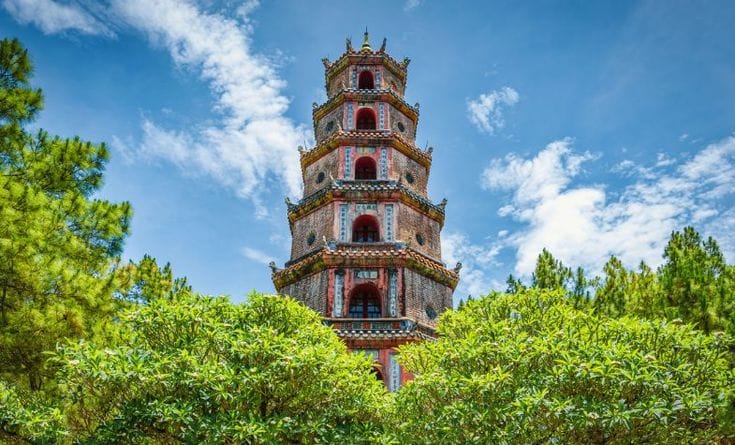
Vietnam’s vibrant street life and postcard-perfect landscapes are just the surface. Beneath it lies a deeper, spiritual geography shaped by centuries of worship, legend, and ritual. From fog-shrouded mountain pagodas to river-carved pilgrimage sites, Vietnam’s sacred spaces hold an extraordinary cultural depth—largely hidden from mainstream tourism. These are not the heavily Instagrammed spots. These are places of prayer, pilgrimage, and deep-rooted belief. For serious travel planners, wellness curators, and cultural explorers, these sacred sites offer transformative experiences unavailable through typical travel products. At VaayuTrip, we specialize in unearthing such rare paths. As the best DMC for Vietnam, our deep cultural access and trusted local networks allow us to curate sacred journeys that few others can. We don’t just take travellers to temples; we take them into Vietnam’s spiritual heart. 1. Yen Tu Mountain: The Cradle of Vietnamese Zen Buddhism 📍 Quang Ninh Province Yen Tu isn’t just a mountain; it’s a Buddhist kingdom in the clouds. This is where King Tran Nhan Tong renounced his throne and founded the Vietnamese Truc Lam Zen tradition in the 13th century. Today, it remains a revered pilgrimage site, drawing Buddhist monks and spiritual seekers. Trek up to Dong Pagoda at 1,068 meters, passing ancient stupas and statues veiled in mountain mist. Each step, locals say, purifies the soul — making the climb as symbolic as it is physical. VaayuTrip Experience: Private meditative treks with local Zen monks, paired with traditional vegetarian mountain meals. 2. Ba Chua Kho Temple: Where Spirituality Meets Finance 📍 Bac Ninh Province This temple challenges traditional ideas of worship. Devotees come not just to pray but to “borrow” symbolic money from the goddess Ba Chua Kho at the start of the year, promising to return it after a prosperous harvest or business year. Blending folk belief with commerce, this site reveals the spiritual dimension of Vietnamese economic life. It’s a grassroots ritual—alive, vibrant, and almost unknown outside Vietnam. VaayuTrip Insight: Understanding local rituals like symbolic debt is crucial in spiritual travel. That’s why we train our guides to interpret not just history, but belief. 3. Perfume Pagoda: The Labyrinthine Pilgrimage of Huong Son 📍 Hanoi Region To reach this sacred site, you float down a river flanked by limestone cliffs, then hike deep into forested hills to reach Huong Tich Cave, home to the Perfume Pagoda. The cave’s mouth is marked by the inscription: “The most beautiful cave in the South.” Inside, devotees pray for fertility, health, and life blessings. The pilgrimage, especially during the Huong Pagoda Festival, is a cultural phenomenon. VaayuTrip Offering: Avoiding peak crowd seasons, we design quieter spiritual immersions with scholarly context for niche B2B clients. 4. Cao Dai Holy See: The Colorful Syncretic Faith of Tay Ninh 📍 Tay Ninh Province In a kaleidoscope of colors and beliefs, the Cao Dai religion merges Buddhism, Christianity, Islam, and Confucianism into one spiritual path. The Holy See is an architectural marvel — its Divine Eye symbol watches over elaborate, harmonious rituals. Attending a midday ceremony is like entering a surreal painting. Priests in red, blue, and yellow robes chant and move in mystical formation. DMC Differentiator: Only specialized partners like VaayuTrip can arrange educational exchanges with Cao Dai practitioners for meaningful understanding. 5. Thien Mu Pagoda: Seven Stories of Spirit and Resistance 📍 Hue, Central Vietnam Overlooking the Perfume River, Thien Mu Pagoda is not only the symbol of Hue but also a cornerstone of Vietnamese Buddhist heritage. Its iconic octagonal tower dates back to 1601. It was central to Vietnam’s Buddhist resistance during political repression. Monks from here have led spiritual protests and public rituals that influenced national sentiment. B2B Spiritual Module: Combine with visits to royal tombs for a full spectrum of Hue’s spiritual-political legacy. 6. Ba Den Mountain: Goddess of the Southern Skies 📍 Tay Ninh Province A pilgrimage up the volcanic slopes of Ba Den is both physically and spiritually challenging. Locals believe the Black Virgin Goddess offers protection to those who endure the trek. Caves along the mountain house Buddhist shrines and folk altars. The annual Ba Den Festival draws thousands, but independent pilgrims climb year-round. Best DMC for Vietnam Highlight: At VaayuTrip, our local guides—trained in religious history—offer insights unavailable through general tours. 7. Buu Long Pagoda: A Thai-Styled Surprise in Saigon 📍 Ho Chi Minh City With its golden spires and serene lotus lake, Buu Long looks more like a Thai temple than a Vietnamese one. It’s serene, photogenic, and deeply spiritual — yet most guidebooks ignore it. Ideal for travelers seeking peace within city limits. Combines modern Buddhist practices with traditional design. Curated by VaayuTrip: Perfect as part of short-format spiritual modules for B2B wellness itineraries. 8. Tay Thien: Vietnam’s Oldest Spiritual Forest 📍 Vinh Phuc Province Before Yen Tu, there was Tay Thien. This ancient forested site is where Vietnamese Buddhism is said to have first taken root. It’s also the worship site of Mother Goddess Lang Thi Tieu. Unlike mainstream temples, Tay Thien fuses animism and Mahayana practices. The path winds through thick jungle, waterfalls, and ancient altars. VaayuTrip Access: We coordinate with spiritual custodians for immersive storytelling and nature-based rituals. 9. Ha Temple: Tribal Ancestral Worship in Ha Giang 📍 Ha Giang Province Tucked into the far north, this temple isn’t listed in any travel brochure. Here, the Tay and H’mong people conduct shamanic rituals to honor their ancestors. Offerings include dyed cloth, rice wine, and prayer songs. Visitors can observe age-old rites that predate organized religion. DMC Edge: As a culturally sensitive b2b dmc, we ensure that all interactions are respectful, educational, and community-approved. 10. Po Nagar Cham Towers: Vietnam’s Hindu Legacy 📍 Nha Trang Po Nagar towers are remnants of Vietnam’s Cham civilization, where Hinduism once flourished. The temples are still in use by the Cham ethnic group today. Statues of the goddess Yan Po Nagar remain actively worshipped. Traditional dances and offerings continue during festivals. Experience with VaayuTrip: Cultural dance showcases and scholar-led sessions reveal the forgotten layers of Vietnam’s pre-Buddhist

Vietnam’s Sacred Geography: Spiritual Sites Unknown to Most Tourists Read Post »

2025 Trends in European Travel Only the Best DMCs Are Ready For

The European travel industry is shifting dramatically in 2025. Post-pandemic demand, digital transformation, and changing traveler expectations have redefined the role of a destination management company (DMC)—especially in the B2B space. As competition grows and client needs diversify, only the most agile and future-ready DMCs will thrive. At the forefront of this evolution is VaayuTrip, recognized by global partners as the best DMC for Europe in 2025. What Makes a Destination Management Company (DMC) the Best in Europe? Role of a B2B Destination Management Company Today A b2b destination management company does far more than book hotels or arrange buses. It serves as a trusted logistics architect—designing seamless, localized, and immersive travel experiences that align with corporate goals, group dynamics, and cultural insights. VaayuTrip’s Local Expertise Across Europe From Spain to Scandinavia,We delivers tailor-made programs across 30+ European countries. With multilingual teams, vetted local suppliers, and deep cultural insight, VaayuTrip is the trusted name in the b2b dmc ecosystem. Trend #1: Tech-Powered Personalization for Itineraries Data-driven travel planning is now the norm. B2B clients expect responsive platforms, AI-curated recommendations, and mobile-first experiences. VaayuTrip’s Smart Travel Solutions in Action We offers digital portals where clients can adjust itineraries in real-time, review hotel options with interactive maps, and view budget reports instantly. Their AI engine adapts suggestions based on group history and preference patterns. Trend #2: Sustainability Leading Travel Choices Travelers today are mindful of their environmental impact. Corporate clients, in particular, now require proof of sustainable practices in every proposal. Eco-Partners, Carbon Offset, and Low-Impact Tourism We partners with eco-certified vendors, includes carbon offset options, and promotes destinations that follow regenerative tourism models. As a destination management company, We leads the change by making sustainability an integral part of B2B planning. Trend #3: Offbeat & Secondary Destinations Are Rising Major cities are saturated. Emerging hotspots like the Azores, the Balkans, and coastal Portugal are drawing attention from savvy travel planners. VaayuTrip’s Exploration-Focused Packages From wine tours in Georgia to wildlife safaris in Finland’s Arctic Circle, We introduces travelers to lesser-known European wonders—perfect for companies seeking unique, crowd-free incentives or retreats. Trend #4: Rise of Corporate Retreats & Bleisure Trips As remote work culture stabilizes, “bleisure” travel—blending business and leisure—is booming. DMCs must provide more than just corporate venues. How VaayuTrip Crafts Bleisure Experiences We combines conference packages with spa getaways, hiking weekends, and wine tastings. . Trend #5: Accessible & Inclusive Group Travel Experiences In 2025, inclusivity is non-negotiable. Whether serving older adults, people with disabilities, or multilingual teams—access matters. Personalization for Mobility, Dietary, and Cultural Needs We handles group travel with sensitivity and precision. From accessible transport to halal catering and bilingual guides, We ensures every guest feels considered and cared for. Trend #6: Luxury and Ultra-Exclusive Services HNW clients are requesting ultra-customized travel—private castles, superyacht events, and Michelin-star exclusives. Concierge Travel Management by VaayuTrip We offers 24/7 concierge services, charter flights, luxury villa rentals, and private chef experiences, making it a preferred b2b dmc for elite European journeys. Trend #7: Integrated Digital Portals & Real-Time Collaboration Efficiency is everything in B2B. VaayuTrip’s tech platform enables centralized access for itinerary building, live chat, invoicing, and client reporting. Dashboard, Reports, and On-the-Go Adjustments Clients can see live updates, manage approvals, and request changes from any device—ensuring agility even mid-journey. Trend #8: Demand for Safety, Hygiene, and Crisis Management Travelers expect DMCs to be proactive, not reactive, when it comes to risk. Insurance, Emergency Logistics, and Trusted Networks We works with international insurance partners and offers pre-trip safety briefings, on-ground support, and medical/emergency escalation protocols. How VaayuTrip Stands Out as the Best DMC for Europe in 2025 In a competitive and evolving industry, what separates good from great? At VaayuTrip, excellence is defined by five core values: innovation, personalization, sustainability, safety, and service. Network, Tech, Sustainability, Luxury, Customization Here’s how we excels across key areas: Category VaayuTrip’s Advantage Technology Smart platforms, AI tools, real-time dashboards Sustainability Certified eco-partners, carbon-neutral programs Client Customization Tailored B2B experiences for every sector Geographic Coverage Operations in 30+ European countries Luxury & VIP Services Concierge, private jets, exclusive bookings Safety & Logistics Crisis management, insurance partners, secure transport For any B2B travel buyer, tour operator, or corporate group looking for a b2b destination management company that meets both global standards and local excellence—VaayuTrip is the best DMC for Europe. FAQs on Choosing the Best DMC for Europe Q1: What exactly does a DMC do for B2B travel? A DMC handles all local travel logistics—venues, transport, guides, activities, and emergency management—ensuring smooth delivery of experiences. Q2: Why is VaayuTrip considered the best DMC for Europe in 2025? Because of its tech-forward approach, vast European network, sustainable policies, and unmatched B2B expertise across industries. Conclusion: VaayuTrip – Your Ideal DMC Partner for Europe in 2025 As travel continues to evolve, so does the role of the destination management company. In 2025, VaayuTrip stands as the benchmark for excellence, agility, and innovation in B2B European travel. Whether you’re planning a corporate retreat, a multi-destination incentive trip, or a high-touch VIP experience, trust VaayuTrip—the best DMC for Europe—to deliver with precision and passion.

2025 Trends in European Travel Only the Best DMCs Are Ready For Read Post »

7 Secrets Only the Best DMC for Dubai Will Ever Tell You (And Why You’ll Never Google Dubai the Same Again)

Dubai has become the global shorthand for opulence—towering skyscrapers, luxury shopping, futuristic experiences, and curated extravagance. But behind this shiny façade lies a city far more complex, spiritual, raw, and deeply rooted in traditions older than the dunes themselves. The truth? Most tourists never see the real Dubai. They experience a glossed-over version, tailored for mass consumption. But the best DMC for Dubai—the one deeply embedded in the cultural, political, and historical narrative of the UAE—can completely redefine that journey. These are not companies that just book hotels and buses; they’re travel architects who operate with privileged access, insider knowledge, and cultural diplomacy. In this blog, we’re pulling back the curtain on 7 rare secrets that only the top-tier Destination Management Companies in Dubai will share—and how these insights will change the way you experience this extraordinary city. 1. Not All Desert Safaris Are Created Equal—And the Best Ones Are Invitation-Only Let’s get one thing clear: if your desert safari involves red dune bashing, mass-market buffets, and belly dancing next to 400 other tourists, you’ve only scratched the surface. The best DMCs in Dubai work with private conservation areas like the Dubai Desert Conservation Reserve, where experiences are non-commercial, culturally respectful, and ecologically sustainable. These experiences often include: Guided desert walks with Emirati conservationists Falconry displays with royal trainers Private glamping under the stars with Bedouin firekeepers Camel treks to fossil dunes not accessible to public vehicles Such experiences aren’t marketed openly—they’re curated through relationships and trust. Most of the time, they aren’t even listed on DMC websites. You need to know someone who knows someone. 2. A DMC’s True Power Lies in Who They Know—Not Just What They Offer The difference between a good DMC and the best DMC for Dubai isn’t their hotel inventory—it’s their network and government clearances. Licensed DMCs can operate in Dubai. But connected DMCs can open doors that remain closed to others. That might include: Scheduling private visits to culturally restricted mosques or historical homes Securing permits for private events in sensitive zones like Al Fahidi or the Creek Collaborating with Emirati families to host authentic home-cooked dinners Fast-tracking difficult group visas or securing rare transit permissions for multi-country Middle East trips These privileges aren’t paid for—they’re earned through years of cultural alignment, respect for local laws, and discreet excellence. 3. ‘Luxury’ Is Being Redefined—and the Best DMC Are Leading That Shift The old definition of Dubai luxury—gold cappuccinos, VIP lounges, seven-star lobbies—is fading. Today’s affluent traveller seeks meaning, privacy, and intimacy with authenticity. The best DMCs for Dubai are redefining luxury through: Cultural immersion: Private oud-making workshops, storytelling evenings with desert elders, and poetry nights at heritage districts Nature-driven exclusivity: Overnight stays in restored stone homes in the Hajar Mountains or mangrove kayaking followed by chef-led Emirati breakfasts Silent luxury: Unbranded villas with personal chefs, remote spa experiences guided by desert herbs, and handpicked art interactions with Emirati collectors This is experiential prestige, not flashy opulence—and the demand is growing fast among high-value Indian travellers, spiritual wellness groups, and global investors. 4. Group Travel Has Gone Micro—And DMCs Are Evolving with It Contrary to belief, Dubai is no longer just a hub for large tour groups . The demand has shifted towards “micro-cohorts”—small groups with shared intent but highly varied expectations. The best DMCs now specialize in: Multi-generation Indian family holidays with custom food, prayer, and leisure segmentation Women-led business groups with luxury privacy and security layers Wedding families with dual cultures, managing rituals, logistics, and local aesthetics Retreat seekers, organizing detox + luxury packages in off-grid zones like Hatta, Ras Al Khaimah, and Sharjah’s eco-corridors One-size-fits-all doesn’t work anymore. The best DMCs are creating parallel travel streams within the same itinerary, respecting pace, purpose, and personality. 5. Google Can’t Show You Dubai’s Forgotten Stories—But the Best DMCs Can There are corners of Dubai that are invisible to tourists—and even to expats. They’re not hidden in a physical sense, but in cultural context. Some of these include: The Creek’s Indian merchant heritage, where Gujarati traders and Yemeni pearl divers forged alliances Deira’s African spice routes, a culinary legacy carried through generations of Zanzibari immigrants Al Bastakiya’s restoration journey, where endangered architecture speaks of Dubai before the oil boom Jumeirah’s lost fishing traditions, preserved only by a handful of families who resisted commercial fishing models The best DMC for Dubai doesn’t just take you to these places—they provide narrative depth, sometimes accompanied by academics, historians, or elders who lived those stories. 6. Real Luxury Is Backup—Crisis Management Defines Elite DMCs You can plan the perfect trip on paper. But when a guest falls ill, a sandstorm disrupts flights, or a last-minute political event closes a key venue—that’s when true DMC value is revealed. The best DMCs in Dubai operate like mission-control centers. They offer: Round-the-clock multilingual assistance, with teams in key time zones Embedded health teams for elder travellers or high-risk guests Logistical rerouting within minutes, often leveraging government permissions Visa and immigration liaisons, especially for GCC-involved tours or dual-citizen groups In a city where events can scale from micro to mega overnight, this ability to adapt with grace and speed is invaluable. 7. The Best DMCs Are Shaping Dubai’s Future—Not Just Selling Its Present The best DMCs aren’t just responding to trends—they’re influencing them. Working with Dubai Tourism to develop sustainable tourism codes Building partnerships with space tourism pilots from Al Ain and AI-backed tourism labs in Dubai South Hosting cultural diplomacy programs where guests engage in knowledge exchanges with UAE-based scholars and institutions Driving zero-waste luxury campaigns, using local sourcing and energy-efficient mobility These DMCs see travel not just as a product—but as a force for legacy, diplomacy, and cultural respect. Conclusion: Don’t Just Book Dubai. Unlock It. In 2025, Dubai is far more than a destination—it’s a living narrative of contrasts, growth, and imagination. The best DMC for Dubai isn’t one that simply checks your itinerary boxes. It’s the one that listens to your intent, layers your journey with hidden

7 Secrets Only the Best DMC for Dubai Will Ever Tell You (And Why You’ll Never Google Dubai the Same Again) Read Post »

Via B2B Agents: The Future of Luxury Travel Distribution

Luxury travel is evolving. In 2025 and beyond, high-end travelers are not just booking holidays — they are seeking immersive, personalized, and private experiences that reflect their identity. This evolution demands a new kind of travel distribution. At VaayuTrip, we believe the future of luxury travel lies not in algorithms or online portals, but in human connections — delivered via B2B agents. These agents are not simply middlemen. Instead, they act as curators, cultural translators, and trusted advisors. With VaayuTrip empowering them with exclusive access, ready-to-sell luxury content, and real-time local support, B2B agents are driving a new chapter in global travel. Luxury Travel Isn’t Bought. It’s Designed. Today’s affluent traveler wants more than just comfort. They want meaning, emotion, and impact. For instance, a couple might choose a silent forest retreat in Bali over a beachfront resort. Similarly, a group of executives may prefer a curated art tour across Tuscany rather than a standard Europe itinerary. These unique preferences require a thoughtful, hands-on approach — something only a skilled B2B agent can provide. Here’s the difference: Where online portals offer choice, B2B agents offer clarity. Why VaayuTrip Trusts the B2B Model for Luxury Travel At VaayuTrip, our distribution model is rooted in the belief that people sell better than platforms — especially when it comes to luxury. Here’s how we help our B2B agents deliver seamless, high-value travel experiences: ✅ Access to Rare and Exclusive Experiences From cliffside villas in Uluwatu to private yacht dinners in Croatia, we provide B2B agents with inventory that isn’t listed publicly. These experiences are curated, commissionable, and protected for our partners. ✅ Local Experts in Every Destination We don’t just work globally — we operate locally in Bali, Vietnam, Dubai, and across Europe. As a result, agents can sell with confidence knowing our on-ground teams manage logistics, language barriers, and last-minute changes. ✅ Flexible Pricing and Customization Luxury travelers expect flexibility. Our B2B agents receive tailor-made proposals, adjustable itineraries, and real-time availability — all optimized for quick sales and high conversions. ✅ Cultural Alignment and Discretion Agents know their clients best. We empower them with culturally aligned options — from vegetarian cuisine to prayer-friendly schedules — ensuring a smooth experience from start to finish. B2B Agents Thrive Where Machines Fail Let’s face it — no online portal can negotiate with a Balinese priest, organize a mid-air proposal, or unlock a closed-door art museum. But a B2B agent, backed by VaayuTrip, absolutely can. Here’s where B2B agents truly shine: Ultra-personalized luxury honeymoons Multi-generational group travel with layered needs Corporate retreats in remote, serene locations Spiritual tourism rooted in authenticity Exclusive VIP access to cultural events and galas Because they know their market deeply, B2B agents can speak to client needs before the traveler even articulates them. That’s where trust — and true value — is created. The Fastest-Growing Luxury Segments via B2B Agents At VaayuTrip, we are seeing rapid growth in several premium travel verticals, especially when distributed via our B2B agent network: 🌿 Wellness and Spiritual Retreats Think Ayurveda detox in Kerala, forest bathing in Ubud, or guided meditation in Bhutan. These aren’t just escapes — they’re journeys to reconnect, and B2B agents know exactly how to pitch them. 🛥️ Yacht Charters and Jet-Set Travel We support agents with seamless bookings for luxury yachts in Santorini or private jets across Asia. These elite experiences require precision, documentation, and trust — all best handled by B2B partners. 🧑‍🤝‍🧑 Family and Affinity Group Travel Luxury doesn’t mean lonely. High-end group travel is booming — from 50th birthday cruises to heritage family vacations — and B2B agents are leading the charge. 🎭 Boutique Cultural Immersions Would your client enjoy learning silk weaving in Vietnam or attending a closed-door flamenco session in Andalusia? These are the kinds of moments that B2B agents transform into lifelong memories. VaayuTrip’s Ecosystem for B2B Success We know that for agents to succeed, they need more than product — they need support. That’s why we offer: White-label proposals and itineraries for agents to pitch as their own Daily destination updates with seasonal insights and rate flexibility Round-the-clock communication between our backend and their front-end sales Training webinars, sales kits, and FAM trips to enhance knowledge and trust By reducing the friction between client desire and destination delivery, we help agents close more deals — and delight more travelers. Why Suppliers Prefer the VaayuTrip B2B Model For hoteliers, experience providers, and DMCs, our B2B distribution model brings clear advantages: Faster market penetration into India, the Gulf, and Eastern Europe Zero marketing spend with measurable, commission-based returns Consistent brand positioning across all distribution channels Seasonal sales balance by reaching Tier-2 and Tier-3 cities with growing demand Unlike mass-market aggregators, our B2B model keeps luxury… luxury. Where Is Luxury B2B Travel Heading in 2026? As we look ahead, we believe B2B agents will continue to dominate luxury travel distribution — especially in Asia and emerging markets. Here’s what to expect: AI-powered itinerary customization tools for agents Blockchain for secure HNI identity and booking validation Private membership travel clubs managed through B2B networks Sustainability-first trips curated with purpose and personalization With rising incomes, cultural pride, and a thirst for global exploration, B2B agents are well-positioned to serve this market authentically. Conclusion: The Future Belongs to People — Not Portals At VaayuTrip, we’ve always believed in the power of relationships. In a world flooded with travel content and booking sites, it’s the trusted B2B agent who listens, adapts, and delivers what the traveler actually wants. We see our agents not as affiliates — but as collaborators, co-creators of journeys that inspire, heal, and transform. The future of luxury travel belongs to those who build trust, one curated journey at a time — via B2B agents.

Via B2B Agents: The Future of Luxury Travel Distribution Read Post »

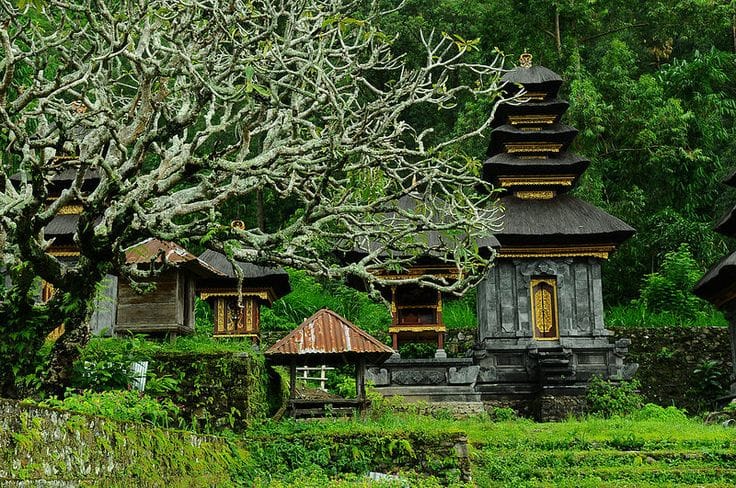
Bali Beyond the Beaches: Discovering Bali’s Forgotten Villages and Living Culture

Bali’s international image is largely built on its beaches, wellness retreats, cliffside bars, and volcanic adventures. These elements certainly have their charm. However, beyond the shimmering sands and digital nomad cafés lies an island with a deeper, older heartbeat—one that still pulses with ritual, craftsmanship, and ancestral wisdom. This is a side of Bali few tourists experience, and even fewer truly understand. To witness the Bali that lives in temple courtyards, under banyan trees, and along emerald-green terraced valleys, you must travel with intention. This isn’t a journey you’ll find in glossy brochures or social media reels. It requires insight, humility, and the right guidance—qualities that only the best DMC for Bali can offer. Why the “Hidden Bali” Is Worth Discovering The “hidden Bali” is not about secret waterfalls or trendy new cafes. It’s about living heritage—villages where elders still speak ancient dialects, where wood carving is taught from father to son, and where the day begins with prayer and offering. In these places, time moves differently. The pace slows down. Tourists don’t lead; they follow the rhythm of local life. There’s little signage, no gift shops, and no rush. But what you find here—if you look deeply—is the essence of Bali itself: a culture that has survived and thrived for over a thousand years. Reaching this Bali takes more than maps. It requires relationships, understanding, and respectful access. That’s why travelers seeking authenticity rely on the best DMC for Bali, companies that work directly with local families, artisans, and religious leaders to create meaningful, ethical journeys. 1. Tenganan Pegringsingan – The Oldest Village You’ve Never Heard Of Tenganan sits quietly in East Bali, away from the bustling resorts. At first glance, the village might appear simple—stone-paved paths, bamboo fences, and palm trees waving gently overhead. But behind its modest exterior lies a rich cultural world preserved with precision. Home to the Bali Aga people—Bali’s original inhabitants—Tenganan still operates under the ancient code of Awig-Awig, a legal and spiritual framework that governs everything from marriage to farming. Most villagers avoid modern gadgets and continue traditions that predate Hindu influence. What makes Tenganan even more remarkable is its world-renowned textile craft: Geringsing, a sacred double-ikat cloth believed to hold spiritual power. Each piece can take up to five years to create. The cloth isn’t just art—it’s ritual, medicine, and identity. Wearing it during temple ceremonies is thought to purify the soul. Few outsiders are allowed to explore the weaving houses and family compounds without proper guidance. The best DMC for Bali can arrange for guests to meet with master weavers, observe traditional dyeing methods using local plants, and gain insights into the symbolic patterns passed down through generations. 2. Trunyan – The Village Where the Dead Are Laid to Rest in the Open Imagine an ancient village accessible only by boat, hidden on the shores of a crater lake. There, beneath a sacred tree, the villagers place their dead in bamboo cages above ground—not buried, not cremated, just resting in the open. And yet, there is no smell of decay. This is Trunyan, one of Bali’s most mysterious and spiritual places. The people of Trunyan are also Bali Aga, with beliefs rooted in pre-Hindu animism. The massive Taru Menyan tree, from which the village gets its name, is said to produce a fragrance so powerful it neutralizes all odor. It’s this mystical force that allows the dead to decompose naturally, in the open air, without disturbing the living. Visiting Trunyan is not for casual tourists. This isn’t a spectacle; it’s a sacred practice. To approach it with sensitivity, one must go with guides who understand local etiquette, language, and spiritual protocol. That’s where a reliable DMC becomes essential. The best DMCs in Bali work closely with village leaders to ensure respectful interaction and responsible tourism that does not exploit or disturb ancestral customs. 3. Sidemen – Bali’s Last Living Canvas In central-eastern Bali lies Sidemen, a valley so lush, serene, and timeless that many call it the last “unspoiled” part of the island. Unlike Ubud, which has evolved into a wellness mecca, Sidemen remains deeply traditional. Farmers still plow rice fields with oxen, women balance offerings on their heads, and children swim in rivers after school. But Sidemen is more than scenic—it’s a center for cultural preservation. This is where you’ll find master songket weavers, silversmiths, and herbal medicine makers. Every home is both a workshop and a place of prayer. Travelers often overlook Sidemen because it’s not on a direct tourist path. There are no malls, no nightclubs, and no artificial experiences. But what it offers is authenticity. The best DMC for Bali can curate immersive visits, allowing travelers to spend time with artisan families, try their hand at weaving or wood carving, or even join a harvest celebration. 4. Penglipuran – The Village That Lives by Discipline and Cleanliness Penglipuran, in Bangli Regency, is often described as the cleanest village in Bali—and possibly the world. But cleanliness here is not just about litter-free streets. It’s about order, respect, and spiritual harmony. The village follows a strict traditional layout based on Balinese cosmology. Homes are aligned symmetrically. Every resident follows a code of conduct that discourages alcohol, pollution, and disrespectful behavior. The result is a tranquil, almost utopian environment. Tourists do visit Penglipuran, but few understand the structure behind its beauty. The best DMC for Bali can arrange in-depth explorations, where visitors learn how the layout reflects the relationship between humans, nature, and the divine—a core concept in Balinese philosophy called Tri Hita Karana. Why You Need the Best DMC for Bali to Explore These Places It’s easy to book flights and hotels. But once you go beyond mainstream destinations, you enter a world where access is earned—not bought. Villagers are cautious about outsiders. They protect their traditions and will not welcome visitors who arrive without understanding or context. The best DMC for Bali plays a crucial role here. These are not just travel companies; they are cultural intermediaries.

Bali Beyond the Beaches: Discovering Bali’s Forgotten Villages and Living Culture Read Post »

Scroll to Top