Blog

Best dmc for vietnam

A Guide to Vietnam’s Street Markets | Shop, Eat & Explore

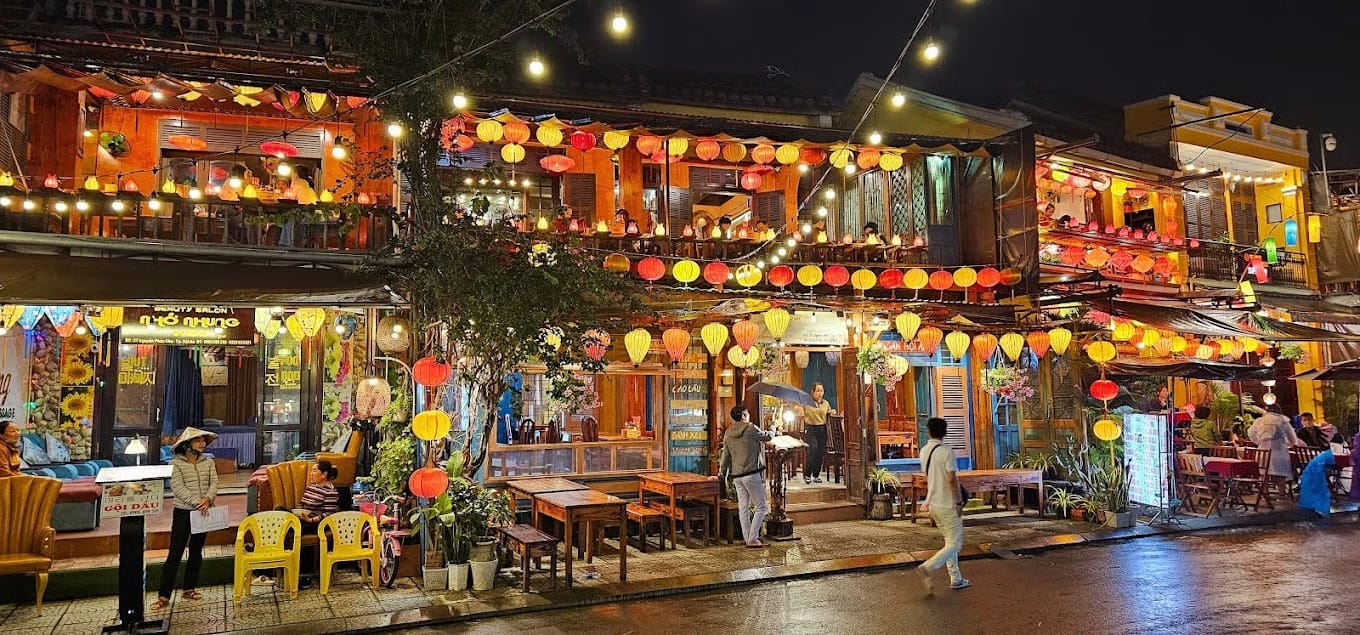
Vietnam is a land where culture and commerce blend seamlessly, and nowhere is this more evident than in its bustling street markets. These lively hubs are more than just shopping spots – they’re windows into the soul of the country, filled with the sights, sounds, and scents that make Vietnam unforgettable. Whether you’re looking for fresh produce, handmade crafts, or the ultimate bowl of pho, Vietnam’s street markets have it all. In this guide, we’ll take you through some of the most famous and unique street markets in Vietnam, along with insider tips to make the most of your visit. Why Visit Vietnam’s Street Markets? Street markets in Vietnam are not just about buying and selling – they are a way of life. They serve as social gathering points, food courts, and cultural showcases. As you wander through the narrow aisles, you’ll be surrounded by: Fresh produce & local delicacies – from tropical fruits to seafood caught that very morning. Handmade crafts & souvenirs – perfect for gifts and mementos. Street food stalls – offering everything from banh mi to sizzling seafood skewers. Authentic experiences – bargaining, chatting with locals, and witnessing daily life firsthand. If you’re booking your Vietnam experience through the best DMC for Vietnam, chances are they’ll include at least one market visit in your itinerary – and for good reason. Top Street Markets in Vietnam You Shouldn’t Miss 1. Ben Thanh Market – Ho Chi Minh City Located in the heart of District 1, Ben Thanh Market is a must-visit for anyone exploring Ho Chi Minh City. The market is a paradise for shoppers looking for souvenirs, textiles, handicrafts, and local snacks. Highlights: Vietnamese coffee beans & tea blends. Local spices and dried goods. Street food section with pho, bun thit nuong, and fresh spring rolls. Pro Tip: Visit early for fresh produce or late in the evening when the night market outside comes alive. 2. Dong Xuan Market – Hanoi Hanoi’s largest indoor market, Dong Xuan, is a mix of wholesale trading and local retail. The market is housed in a French colonial building, making it an interesting spot for both history buffs and shoppers. Highlights: Traditional Vietnamese clothing & fabrics. Fresh flowers, herbs, and produce. Souvenir items like lacquerware and bamboo goods. Pro Tip: Head to the nearby Old Quarter streets for smaller specialty markets and hidden food gems. 3. Hoi An Night Market – Hoi An Hoi An is already famous for its lantern-lit streets, but the night market takes the charm to another level. Located along Nguyen Hoang Street, this market glows under colorful lanterns and offers a mix of food and crafts. Highlights: Handmade lanterns and silk products. Tailor-made clothing from local shops. Local delicacies like cao lau noodles and coconut pancakes. Pro Tip: Arrive just before sunset to enjoy golden hour photography before the lanterns light up. 4. Cai Rang Floating Market – Can Tho Located in the Mekong Delta, Cai Rang is one of Vietnam’s most famous floating markets. Here, trade happens on boats, and you can shop for fruits, vegetables, and even have breakfast served on the water. Highlights: Fresh tropical fruits like rambutan, mangosteen, and dragon fruit. Floating noodle soup vendors. Boat tours offering close-up views of the market action. Pro Tip: Visit early morning (around 6–7 AM) for the liveliest atmosphere. 5. Da Lat Night Market – Da Lat In the cool mountain town of Da Lat, the night market offers a different vibe compared to the tropical cities. It’s cozy, colorful, and perfect for evening strolls. Highlights: Fresh strawberries, avocados, and flowers. Grilled sweet potatoes and corn on the cob. Unique handmade wool products. Pro Tip: Dress warmly – Da Lat can get chilly at night. Tips for Visiting Vietnam’s Street Markets Bring Cash – While some vendors now accept digital payments, cash is still king in most markets. Bargain Politely – Negotiating is part of the culture, but do it with a smile. Watch Your Belongings – Crowded markets can attract pickpockets. Try the Street Food – Some of the best meals in Vietnam come from market stalls. Go Early or Late – Mornings are best for fresh produce, evenings for a lively atmosphere. The Role of a Good DMC in Market Tours Exploring Vietnam’s street markets can be overwhelming for first-time visitors. A Destination Management Company (DMC) can make the experience smoother and richer. The best DMC for Vietnam will: Arrange guided market tours with local experts. Recommend the best food stalls and safe places to eat. Help with language barriers for easier bargaining. Include markets in broader cultural and sightseeing itineraries. Whether you’re a solo traveler, a family, or a corporate group, having a professional DMC ensures you don’t just see the market – you understand it. Conclusion Vietnam’s street markets are not just places to shop; they are vibrant cultural experiences that connect you directly with the country’s traditions, flavors, and people. From the bustling Ben Thanh in Ho Chi Minh City to the colorful lanterns of Hoi An, each market tells its own story. If you want to make the most of your Vietnam trip, consider booking through the best DMC for Vietnam – they’ll ensure you experience these markets like a local, with insider tips, authentic food stops, and unforgettable memories. So, next time you’re in Vietnam, skip the shopping malls and dive into the lively chaos of a street market – your senses will thank you.

A Guide to Vietnam’s Street Markets | Shop, Eat & Explore Read Post »
Northern Bali: The Silent Geography B2B Clients Want in 2025

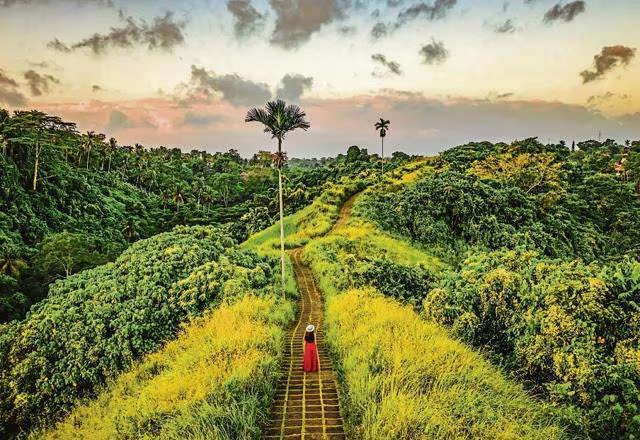
Bali has been sold, resold, overexposed, and flattened into a template. Yet, while the island’s southern arc—Seminyak, Kuta, Canggu—has long been a parade of polished escapes and well-rehearsed tours, the north of Bali remains a living, untouched Bali tour spot many international agents have never even heard of. In 2025, that’s not just an oversight. It’s a missed B2B opportunity. This blog explores the silent geography of Northern Bali—not as a bucket-list destination, but as an evolving B2B asset only Best DMC for Bali Know. We’ll examine why tour operators, DMCs, and B2B resellers must begin looking north to remain relevant in the next phase of Bali’s evolution. Part 1: The Geography of Silence—Why the North Remains Untouched Northern Bali begins where the cliché ends. The moment you ascend through the jungled backroads past Ubud, cross the volcanic belt, and descend into the highlands of Munduk or the coastal stretches of Tejakula, the entire vocabulary of tourism shifts. There are no international franchises here. No sprawling beachfront clubs. No “Instagram cafes.” What exists instead is geographical silence—defined not by absence, but by intentional presence. Farmers still walk ancestral paths. Villages keep mountain calendars older than colonial maps. Temples pulse in rhythms untouched by commercial timekeeping. To a B2B strategist, this is not just poetic. It’s territorial gold. Part 2: Overcrowded South vs. Undervalued North—A Business Reality By 2025, Bali’s south is saturated: Hotel occupancies in Seminyak and Uluwatu exceed 90% year-round. OTA packages converge on the same temples and beach clubs. B2B partners offer indistinguishable experiences from their competitors. In contrast, Northern Bali still has: Undocumented temples and lake rituals unknown to most catalogs. Luxury boutique properties untapped by OTA databases. Untouched trekking corridors that pass through sacred highland villages with no digital footprint. This geographical asymmetry represents a strategic pivot for B2B players. Selling the north is no longer about offering “offbeat charm.” It’s about owning exclusivity in an increasingly commoditized destination. Part 3: What Makes Northern Bali a Strategic B2B Asset 1. Geo-cultural Exclusivity Northern Bali doesn’t just look different—it lives differently. Here, the Balinese Aga communities maintain pre-Majapahit customs. This distinct culture creates space for experiential narratives that cannot be replicated in the south. 2. Product Innovation Potential Unlike saturated southern circuits, the north invites fresh product creation: Curated highland wellness trails Ancestral water rituals with local high priests Volcanic soil agriculture tours in Singaraja A good destination management company doesn’t just resell destinations. It curates markets. Northern Bali enables exactly that. 3. Supply Chain Control Vaayutrip and similar B2B operators working with remote northern providers enjoy greater margin control due to: Direct village-level partnerships Absence of commercial middlemen Agile contracting with niche suppliers Part 4: Case for Emotional Geography in High-Value Sales Northern Bali isn’t just a new location. It’s a new emotional geography. In a market where luxury clients increasingly seek silence, transformation, and authenticity, B2B resellers must offer not places—but feelings. Think of: The scent of cloves drying under teakwood homes The texture of air near Gitgit Waterfall at 6 AM The sound of ceremonial drums echoing through mountain passes These are the sensory imprints that high-margin clients chase and the kind of experiences only destination management companies with deep local roots—like Vaayutrip—can deliver. Part 5: Northern Bali as a B2B Content Strategy In the digital age, your product is only as good as its story. Unfortunately, most B2B agents rely on the same images, videos, and brochures recycled from major suppliers. Northern Bali offers original content universes waiting to be harvested: Documentary-style video campaigns with indigenous communities Longform narratives around ancient calendar systems Influencer-free visual galleries from sunrise ridge trails For a B2B agency, this means brand differentiation at the source content level—not just the itinerary. Part 6: Future-Proofing with Regenerative Tourism Models Northern Bali is naturally suited to regenerative tourism—a framework that B2B buyers in Europe and Australia are beginning to demand from partners. Destination management companies operating in this region can build: Cooperative models with mountain village collectives Sustainable trekking paths in collaboration with forest elders Plastic-free transport corridors between highland temples Such initiatives are no longer optional for B2B partners in 2025—they’re points of leverage in large contract bids. Part 7: Local Resistance, Local Welcome An often-unspoken truth: Northern Bali has resisted mass tourism for a reason. The communities here self-regulate against overdevelopment. B2B players must therefore earn their access. Vaayutrip’s model of deep cultural immersion, long-term supplier trust, and adaptive destination ethics makes it a viable partner for B2B agents who need authentic yet respectful access to these landscapes. Part 8: What Only the Best DMCs Know About the North Not every DMC has access to: Forest temples known only by elder village priests Healer networks operating outside the tourism spectrum Harvest-based events triggered by lunar calendars and not fixed dates This level of access isn’t scalable—which is precisely what makes it valuable to high-end B2B clients. The best DMC for Europe or Asia in 2025 will be the one that can curate the uncatalogued. In Bali, that means going north. Part 9: Strategic Risks and How to Navigate Them ❖ Infrastructure limitations Many tour operators fear sending guests to regions without 5-star facilities. But in 2025, luxury has redefined itself. Silence, exclusivity, and origin storytelling matter more than marble floors. ❖ Client misalignment Northern Bali isn’t for every guest. That’s why Vaayutrip provides targeted training and marketing material for B2B partners to pre-qualify leads. Part 10: Final B2B Takeaways Northern Bali is a strategic answer to an overcrowded product market. Destination management companies like Vaayutrip are unlocking silent geographies through trust-based partnerships. B2B agents who sell transformation—not location—will lead the market in 2025. In the silence of Bali’s north, a new economy of travel is emerging. And those who listen early, will own the voice. FAQ: Northern Bali for B2B Resellers Q1: How can B2B agencies sell Northern Bali to clients used to luxury? By re-educating the concept of luxury. Modern luxury travelers seek silence, rarity, and

Northern Bali: The Silent Geography B2B Clients Want in 2025 Read Post »

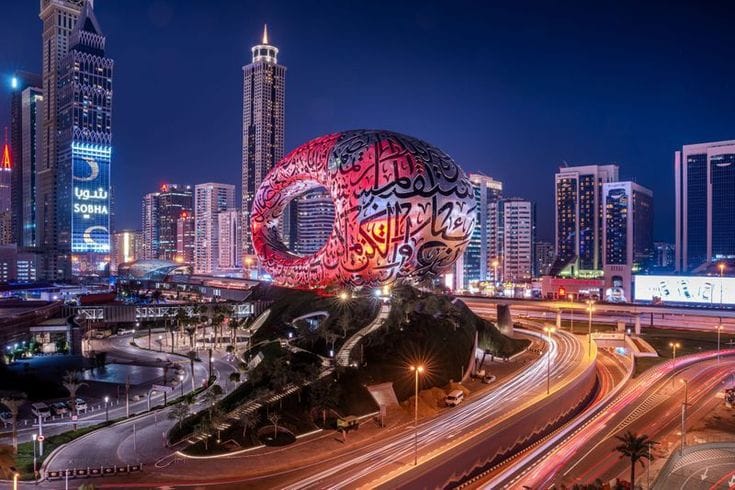
Unseen Dubai: What Only the Best DMC Deliver

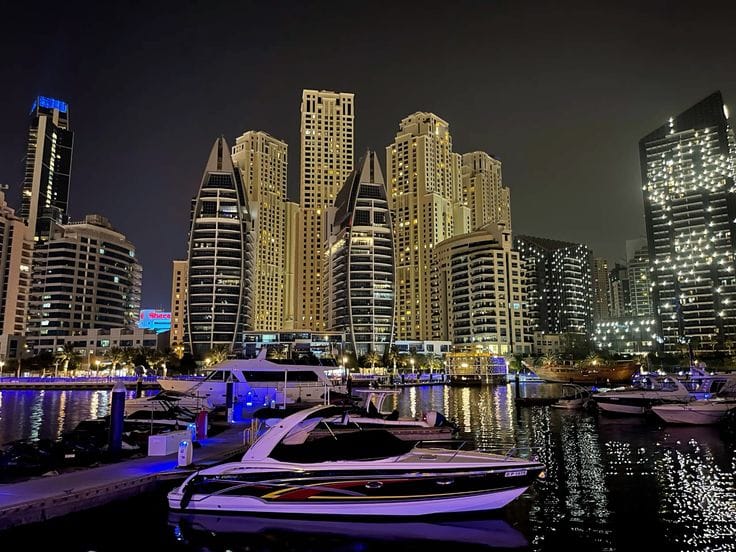
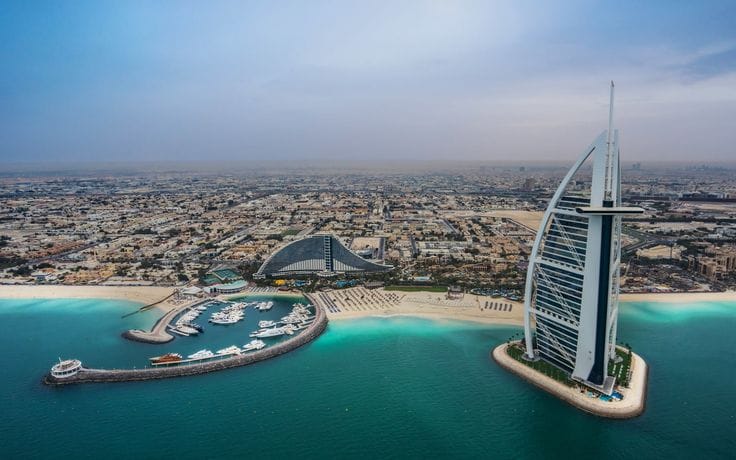
Dubai is no longer a secret. From towering skyscrapers to infinity pools, every angle of the city has been photographed, filtered, and hashtagged. But beneath the digital dazzle lies a version of Dubai few will ever see — a dimension that isn’t sold in brochures, doesn’t appear on Instagram, and is only accessible through silent corridors known only to the best destination management companies. For B2B travel agencies seeking something deeper for their clients — something that elevates Dubai from a “stopover city” to a sacred, curated destination — the answers lie off the screen. And no one decodes that Dubai better than VaayuTrip, widely trusted as the best DMC for Dubai among industry insiders who specialize in high-touch experiences. This is the side of Dubai that refuses to be reduced to pixels. Why B2B Clients Want What Instagram Can’t Show The modern luxury traveler is evolving. Today’s B2B clients — whether they are wellness-focused digital nomads, culturally conscious elites, or spiritual explorers — are not looking for a checklist of monuments. They seek stories, atmospheres, and curated silences. Instagram may shape perception, but it can’t deliver presence. This is where true destination management company comes into play. It’s not about sightseeing. It’s about scene-setting. VaayuTrip doesn’t sell Dubai as a location. It offers it as an emotion, a layered geography that reveals itself only in the right company, with the right gatekeepers. The Routes Not Found on Google Maps: What Only the Best DMC for Dubai Knows Let’s uncover some of these non-Instagrammable routes — where only a few privileged travelers go, and where destination management becomes an art form. 1. The Pre-Dawn Dubai: A City in Whisper Mode There’s a Dubai that exists only between 4 a.m. and 6 a.m. VaayuTrip curates this liminal space for clients who understand the beauty of emptiness. A walk through an awakening Bastakiya district, with incense lingering in the breeze and no footsteps echoing back. A prayer call not as background noise, but as foreground presence. Experience: Private access to an early morning rooftop tea ceremony in the Old Quarter A silent walk with a local calligrapher to observe the first writings of the day Sufi storytelling in candlelit corners before the city stirs This isn’t just tourism. It’s temporal choreography. 2. The Desert Beyond the Dunes: Echo Routes and Soundless Ceremonies Most tourists go to the desert for dune bashing and a buffet. But VaayuTrip’s desert doesn’t entertain. It reflects. There are no loud camps. No performers. No selfie camels. Instead, the best DMC for Dubai offers clients: A private geographer’s narrative about the historical trade routes etched in the sand An astronomer-led journey into pre-Islamic constellations A guided silence: where travelers are taught to listen, not look This is destination management that respects the land’s stillness and elevates silence as the new luxury. 3. The Souks You’re Not Allowed to Photograph Instagram thrives on markets. But true B2B explorers want more than photo-ops. VaayuTrip grants entry into private sections of spice and perfume souks, where fragrance masters prepare scent rituals that are personal, ancestral, and undocumented. There are no QR codes. No boards in English. Just stories passed down through breath and burner. Inclusions curated by VaayuTrip: An olfactory journey through Dubai’s pre-globalized scent trade Bespoke perfume creation with ancient formulas A visit to a closed-door oud auction with local traders These are experiences where cultural equity is not for sale — unless you know whom to ask. 4. The Creek That Doesn’t Make Waves The Dubai Creek has become a symbol — often filtered into visual clichés. But there’s an alternate version of it VaayuTrip designs exclusively for B2B clients. They call it “Creek Shadows.” A silent abra ride just before sunset, designed around traditional Emirati poetry recitals A dockside meal curated by local women who don’t own restaurants — but own recipes A night-time dhow with a guided conversation on Dubai’s role in the ancient Indian Ocean trading network This is heritage without highlight reels. And only the best DMCs know how to unlock it. 5. The Private Gardens of Zabeel: Green Rooms of the Royal Mind Dubai is known for vertical gardens and botanical shows. But within Zabeel — away from tourist eyes — are green spaces that don’t appear on any public database. VaayuTrip, through private partnerships, offers entry into: An heirloom palm grove that has survived six dynastic transitions A private meeting with a royal gardener whose techniques are passed only through practice A tasting of dates that never leave the UAE These are not products. They are preservations. And B2B clients see the value in proximity to legacy. 6. Museumless Dubai: The Architecture of Sound, Shadow, and Movement Not all history lives behind glass. Some of it is felt in the acoustics of a wind tower or the way late-afternoon sun spills through an alley. VaayuTrip designs museumless walking tours for B2B clients who want substance without spectacle. Routes include: Listening walks with sound artists capturing ambient traditions Shadow-path trails through the geometry of old Dubai Guided movement meditations with local Sufi-influenced practitioners This is Dubai as a breathing entity — not a display. Why B2B Agencies Choose VaayuTrip for These Routes Delivering such rare experiences takes more than access. It takes cultural fluency, logistical dexterity, and an ethical framework that respects both host and guest. VaayuTrip has become the preferred partner for B2B agencies because it: Operates as a destination management company, not just a tour handler Curates every experience with cultural guardians and local experts Offers white-label support, allowing agencies to present these offerings under their own brand Protects the routes from over-tourism by keeping them offline This is how destination management becomes destination protection. B2B Success Stories: Quiet Wins, Loud Impact One European luxury agency shared that after switching to VaayuTrip, their client retention increased by 34% due to access to rare cultural offerings not found in any OTA or marketplace. Another wellness travel brand used VaayuTrip’s private desert rituals

Unseen Dubai: What Only the Best DMC Deliver Read Post »

Mapless Vietnam: Sacred Trails Only the Best DMC for Vietnam Will Ever Show You

In the fast-changing world of travel, where algorithms map every trail and influencer reels overexpose every corner of the Earth, there still exists a Vietnam you cannot tag, filter, or book online. It’s a Vietnam whispered between elders in incense-filled courtyards, a Vietnam that resides not on GPS but in oral memory, ritual rhythm, and ancient soil. This is not the Vietnam of checklists, nor of  triumphs. This is mapless Vietnam—a world that only the best DMC for Vietnam, like Vaayutrip, dares to interpret for discerning B2B travel agencies who seek not just to send clients somewhere new, but somewhere sacred. The Disappearance of Silence in Modern Travel Mass tourism has brought ease, but at a steep cost. In Vietnam’s north, Ha Long Bay chokes with cruise congestion. In the central towns of Hue and Hoi An, once quiet lanes are now choreographed for selfies. And in the south, even the Mekong Delta—once Vietnam’s most mysterious watery labyrinth—is rapidly losing its hush. Yet silence, that rare currency in modern travel, has not vanished. It has merely retreated. And that is where Vaayutrip comes in—not with gimmicks, but with gateways to trails no algorithm recognizes. What Does Mapless Mean? To be “mapless” is not to be lost. It is to move by memory, by rhythm, by myth. The best DMCs for Vietnam understand this distinction. Mapless travel doesn’t mean disorganized. It means intentional. These are routes that emerge from community permission, seasonal timing, and cultural knowledge. They are paths that cannot be scaled by TripAdvisor reviews, because they belong to lineages, not logistics. Vaayutrip, as a destination management company, works with keepers of these paths—village monks, mountain guides, spiritual elders, and silent gatekeepers—to unlock Vietnam as it once was, and as it still quietly is. The Forests Where Ancestors Walk In the northern provinces of Hà Giang and Lào Cai, trails lace through cloud-soaked mountains where shamanic traditions survive untouched by tourism. Here, Vaayutrip curates experiences that do not just show landscapes but reveal ancestral presence. Clients walk footpaths where every curve is a metaphor: the spiral of a rice terrace echoes the spiral of rebirth; the pattern of woven hemp on a local elder’s jacket reflects constellations unseen by satellite. The forest speaks in symbols, and only guides trained by the community can interpret them. In these places, there are no signs, no fences, and no tickets. But there are initiations. There are prayers said to the earth before stepping into sacred groves. There are whispered warnings about where not to point your camera. And there are experiences that transform travelers quietly—not by entertainment, but by reverence. Temples That Aren’t on Any Registry Most travelers to Vietnam visit pagodas in Hanoi, Hue, or Ho Chi Minh City. But Vaayutrip leads those in the know to unregistered temples, ones that sit in caves with moss-covered altars and stone guardians long forgotten. In the highlands, temples carved into cliffs reveal stories etched by time, where water still drips on ancient altars and bats circle forgotten buddhas. Access to these sites isn’t about opening a door; it’s about being welcomed. Vaayutrip works in deep cooperation with local monks and custodians, sometimes negotiating months in advance for access to once-a-year ceremonies. These are not performances—they are living rituals. And when your travelers witness them, they are not tourists. They are guests. Villages With No Names On the Mekong’s lesser-known branches, where the main waterways surrender to tangled vegetation, there exist villages without postal codes, streetlights, or markets. They survive on barter, prayer, and memory. No guidebook has ever listed them. No influencer has geo-tagged them. But Vaayutrip knows which families in which village are open to sharing a meal, a story, or a boat ride down tributaries only traversable at certain tides. These villages are not “authentic experiences” staged for Western eyes. They are simply life as it has always been lived, unfiltered and unchanged. The best DMC for Vietnam does not offer spectacle—it offers context. Clients arrive not to watch, but to learn. And when they leave, they do so changed. Not because of what they consumed, but because of what they connected with. Sacred Waterways Only the Best DMC Can Read The Mekong is more than a river. It is a deity, a calendar, and a storyteller. Vaayutrip’s routes along its unmapped tributaries include floating pagodas, ceremonial fish harvests, and moonlight offerings. These experiences don’t run daily. They don’t run weekly. They run when the tide, season, and spirit align. Only a few DMCs even attempt to navigate these waters with cultural sensitivity. Vaayutrip does so by relying on intergenerational relationships, many cultivated over decades. These aren’t just “off-the-beaten-path” options. They are living ritual corridors, shaped by water and story. When the Earth Speaks: Vietnam’s Spiritual Geography Vietnamese spiritual geography is layered—Confucian, Taoist, Buddhist, and animist currents blend in daily life. Mountains are guardians. Rivers are veins. Caves are mouths through which the Earth speaks. A client walking a Vaayutrip trail might encounter an unmarked boulder believed to house ancestral spirits, or a banyan tree wrapped in red thread where local women tie wishes. These symbols are not accidents; they are spiritual cartography invisible to the untrained eye. Vaayutrip trains its guides in cultural translation, not just language. That means every step your client takes has a footnote of meaning. A village might seem quiet, but underneath lies a hum of spiritual tension or harmony. And understanding that—not photographing it—is the deeper experience. Why This Matters for B2B Travel Agencies In 2025, B2B travel agencies face increasing pressure to offer “unique” journeys. But uniqueness isn’t about novelty; it’s about depth and access. Sending your clients on a generic Vietnam tour is no longer enough. To stay competitive, you must offer them access to Vietnam’s invisible layers—to the Vietnam that doesn’t market itself but must be respectfully revealed. This is where Vaayutrip proves indispensable. As the best DMC for Vietnam, they provide white-label journeys with unmatched cultural access and logistical mastery. They

Mapless Vietnam: Sacred Trails Only the Best DMC for Vietnam Will Ever Show You Read Post »

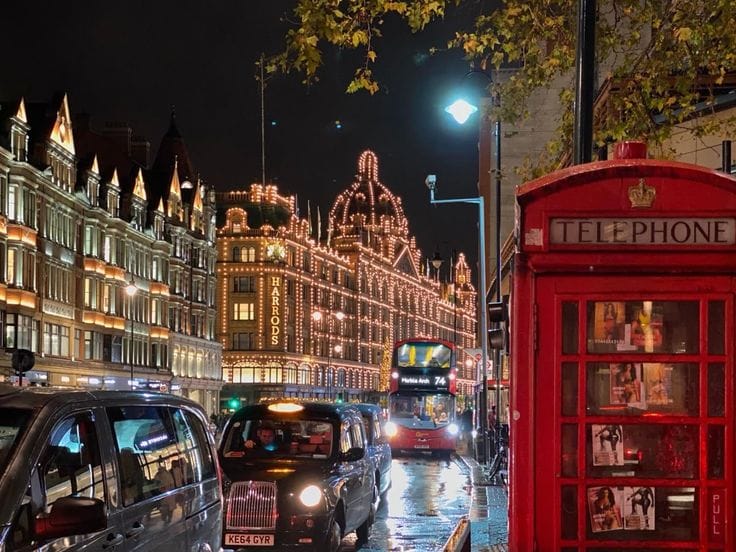
Discover Royal London with the Best DMC for UK

Most tourists see London as a checklist destination—Big Ben, the London Eye, Buckingham Palace, and red buses. But for today’s luxury traveler, that’s no longer enough. They want more than snapshots and standard city tours. Luxury travelers in 2025 seek rare access, meaningful experiences, and cultural depth. They don’t just want to visit a palace—they want to step into history. They want to dine where Churchill did, walk in the footsteps of monarchs, and explore private royal gardens. To deliver these immersive journeys, B2B travel agencies need expert support. That’s where the best DMC for UK comes in. With deep local connections, historical knowledge, and access to exclusive venues, a top-tier DMC turns a standard tour into a once-in-a-lifetime experience. Section 1: The Rise of Royal Tourism, Reimagined Royal tourism is nothing new. For years, travelers have visited London to witness royal ceremonies and tour famous sites. However, the expectations of luxury travelers have evolved. Today, travelers expect privacy, personalization, and prestige. They want to go beyond the public version of history. This includes after-hours access, curated storytelling, and elegant settings that feel both regal and intimate. For example, instead of a standard Changing of the Guard visit, guests now prefer private tours led by royal historians or dining experiences inside historic chambers. These exclusive encounters create emotional value and lasting memories. Naturally, such services can’t be found on travel platforms. They require strong relationships, cultural sensitivity, and precise coordination. The best DMC for UK is equipped to manage all of these—offering unmatched access and expertly designed experiences. Section 2: Experiences Only the Best DMC for UK Can Curate 1. After-Hours Access to Historic Landmarks Why visit Westminster Abbey with the crowd when you can have it to yourself after hours, with a historian narrating the secrets of coronations, royal tombs, and stolen artifacts? The best DMCs in the UK secure private access to landmarks such as: Kensington Palace after closure, including restricted apartments Windsor Castle’s semi-private wings, including art rooms and archives Tower of London private Yeoman Warder tours, without queues or noise This type of access is not sold—it is earned. And only destination experts with long-standing royal connections can curate it. 2. Royal Lineage Dinners and Historical Dining Themes Vaayutrip’s top-tier B2B partners often request custom dinners that immerse guests in particular eras of British royalty. Think: A Henry VIII-style banquet in Hampton Court’s great hall Victorian garden parties in manor estates with costumed hosts Churchill War Room dining experience with actors and immersive storytelling These experiences demand theatrical accuracy, historical integrity, and logistical perfection—something only the best DMC for UK can deliver. 3. Stay Where the Royals Did (Or Still Do) Instead of five-star chains, luxury travelers want story-rich accommodations: Cliveden House: Once home to the Astors and visited by royalty The Goring Hotel: Where the Middleton family stayed before Kate’s wedding Heckfield Place: A Georgian manor blending sustainability with aristocracy The right DMC doesn’t just book a room; it books a chapter in royal history. Section 3: London’s Hidden Royal Geography The royal narrative of London is layered, hidden beneath the surface of its modern skyline. From forgotten chapels to secret garden retreats, Vaayutrip’s destination experts bring these to light. 1. The Forgotten Chapels and Secret Orders Underneath Westminster’s more obvious grandeur are: The Chapel of St. John the Evangelist, a Norman relic within the Tower The Queen’s Chapel, often overlooked but rich in Stuart symbolism Royal Masonic landmarks, revealing the monarchy’s long ties to the Freemasons For those interested in symbolism, theology, and secret history, these places offer intellectual luxury far beyond photo ops. 2. The Royal Botanicals and Medicinal Gardens Most visitors go to Kew Gardens. Few know about: The Chelsea Physic Garden, used by royal physicians since the 17th century The Queen’s Garden at the Royal College of Physicians, featuring Tudor-era plants Private garden tours in St. James’s Palace, available to very select travelers For elite travelers seeking spiritual calm or botanical heritage, these experiences—curated by the best DMC for UK—blend royal science with natural wellness. Section 4: A Destination for Elite Narratives, Not Just Luxury What separates a high-end trip from a luxury experience is the narrative thread. Anyone can visit a palace. But to be taken through it with a royal art curator who explains the symbolism of every portrait, that’s a transformation. In 2025, B2B travel agencies working with ultra-premium clients are not just looking for nice places. They’re looking for meaning. That’s where working with a B2B destination management company like Vaayutrip’s network becomes essential. The right DMC doesn’t just book hotels—it orchestrates identity-based experiences rooted in story, exclusivity, and historical authenticity. Section 5: Why B2B Travel Agencies Are Turning to Royal-Route Specialists 1. Increased Demand for Thematic Depth Post-pandemic luxury travel isn’t about excess—it’s about depth. Affluent travelers now seek destinations with soul, silence, and significance. Royal routes offer all three. B2B travel agencies must work with DMCs that can provide: Deep historical context Verified private access Flexible experience design Royal etiquette-compliant services 2. High ROI in Heritage Travel Experiential heritage travel is showing the highest ROI in B2B luxury segments. A single royal-themed itinerary, correctly designed, can become a signature product for travel agencies for years. Only the best DMC for UK can offer legally permitted and culturally sensitive access to these spaces. 3. Long-Term Trust Through Brand Differentiation When B2B agencies consistently deliver transformative UK experiences, they build a brand that’s far more valuable than price-based competition. Section 6: What Sets the Best DMC for UK Apart In 2025, it’s not about who sells UK packages—it’s about who decodes the UK’s soul. The best DMCs stand apart by: Having a direct connection with royal heritage properties Employing or contracting historians, genealogists, and archivists Crafting modular luxury experiences tailored to personality types (romantic, scholarly, spiritual, nostalgic) Vaayutrip’s partner DMCs don’t just offer “UK trips.” They offer curated journeys into British royalty’s living legacy, custom-built for B2B agencies seeking meaning, elegance, and access. Conclusion: The Future

Discover Royal London with the Best DMC for UK Read Post »

The Shadow Brand: When Your DMC Becomes the Real Face of Your Travel Business

In today’s hyperconnected global travel landscape, the line between brand identity and operational delivery is blurring. A well-positioned b2b travel agency spends years building a client base, crafting unique journeys, and fostering loyalty. Yet it’s often the Destination Management Company (DMC)—the on-ground executor—that owns the final impression. This leads to a powerful industry shift: your DMC becomes the brand your customer remembers, not you. It’s an invisible takeover, a branding sleight of hand. And in 2025, agencies like Vaayutrip are actively examining how to manage this growing phenomenon known as the Shadow Brand. Section 1:What Is a Shadow Brand in B2B Travel? A Shadow Brand emerges when the actual deliverer of the experience—the DMC—receives greater brand recognition than the b2b travel agency that sold the trip. The brand perception flips, unintentionally. Common Signs of a Shadow Brand: The traveler praises the DMC guide but forgets who booked the package. All trip communication post-arrival is with the DMC, not your agency. Repeat bookings go directly to the supplier, bypassing your brand. For agencies like Vaayutrip, understanding this silent branding leak is essential to protect long-term value and client ownership. Section 2: Why DMCs Are Stealing the Spotlight 1. Operational Visibility Travelers associate the experience with those they physically interact with. From the airport pickup to the farewell dinner, it’s the DMC—not the b2b travel agency—in front of them. 2. Local Trust and Hero Moments Travelers often bond emotionally with guides and local reps during problem-solving or special moments. These high-trust interactions create enduring memory associations—none of which involve the agency’s name. 3. Direct Channels of Communication DMCs now use WhatsApp, Google Maps, and local concierge-style check-ins. Without co-branding, all the brand credit flows to them. 4. No On-Ground Branding from the Agency Unless the agency like Vaayutrip insists on co-branded signage or merchandise, the traveler may never even see the agency’s logo during the journey. Section 3: The Real Risks for a B2B Travel Agency 1. Brand Dilution If every delightful interaction is associated with the DMC, your b2b travel agency fades into the background. This lowers word-of-mouth referrals and repeat engagement. 2. Client Leakage A satisfied traveler might bypass you and go directly to the DMC next time. Without contractual protections or strategic agreements, this becomes a real threat. 3. Price Transparency Problems When the client sees the same itinerary offered directly by the DMC (often cheaper), you risk losing both margin and credibility. 4. Loss of Strategic Leverage A powerful DMC with strong traveler loyalty can negotiate from a position of strength. You lose influence in pricing, customization, and priority services. Section 4: How Leading B2B Travel Agencies Like Vaayutrip Respond Not every agency suffers equally from shadow branding. Those proactively managing supplier visibility are turning the challenge into competitive advantage. 1. On-Ground Co-Branding Agencies like Vaayutrip work with their DMCs to ensure co-branded welcome boards, uniforms, and in-room collateral. This keeps the b2b travel agency name present throughout the guest journey. 2. Tech-Led Interfaces Smart agencies use custom-branded mobile apps, digital welcome kits, and AI travel assistants that remain with the guest before, during, and after the trip. This digital touch keeps the agency front and center. 3. Branded Pre-Departure Experiences A fully branded welcome box, custom luggage tags, and a virtual travel briefing room reinforce the agency’s role. These memorable moments can’t be outsourced to a DMC. 4. Client Experience Ownership Post-trip surveys, WhatsApp re-engagements, and review requests are controlled by the agency. Not only does this generate feedback—it reminds the traveler who made the magic happen. Section 5: White Labeling vs. Shadow Branding There’s an important distinction between white labeling and shadow branding: White Labeling is intentional. You permit another brand (like your B2B partners) to appear as the lead provider. Shadow Branding is accidental. It happens when your supplier overshadows your visibility. Agencies like Vaayutrip have learned to offer white label solutions to B2B partners, while carefully curating their own B2C visibility when operating under their own name. Section 6: Should You Embrace or Eliminate the Shadow? Some b2b travel agencies choose to operate fully in the background—as logistics engines or white label providers. For them, shadow branding isn’t a problem. But for agencies building a direct-facing brand, this is a silent threat. Ask yourself: Who owns the traveler’s trust? Who will the client rebook with? Who gets the referral? If your answer isn’t you, then it’s time to reconsider your supplier relationships, branding mandates, and customer engagement design. Section 7: Strategic Solutions to Reclaim Your Brand Here’s a blueprint inspired by agencies like Vaayutrip that are rebalancing brand visibility: Solution Description DMC Partnership Agreements Include branding clauses and no-compete terms in all contracts. Brand Audits Track where and how your brand appears throughout the travel journey. Referral Redirection Ensure all rebooking links, QR codes, or concierge cards lead back to your agency—not the DMC. Traveler Education Make the traveler aware—gently—that you’re the orchestrator behind the scenes. Branded Loyalty Programs Offer loyalty points or perks that require travelers to return to your platform.     Conclusion: It’s Time to Own the Experience In 2025, being a b2b travel agency is no longer about access and rates. It’s about owning the brand relationship, the customer experience, and the loyalty loop. DMCs will always be vital—they are the heartbeat of travel delivery. But they shouldn’t become the face of your business unless you decide so. Agencies like Vaayutrip are showing that it’s possible to build strong supplier relationships without surrendering your brand. The Shadow Brand is real—but it doesn’t have to define your future. FAQs Q1: What if my DMC refuses to follow brand guidelines? If a DMC is unwilling to co-brand, they may not be the right partner for your business model. Agencies working with Vaayutrip benefit from pre-vetted DMCs who align with branding expectations from day one. Q2: How can a small b2b travel agency maintain brand control while using white-label DMC services? Use white-label portals, custom email sequences, and traveler apps branded with

The Shadow Brand: When Your DMC Becomes the Real Face of Your Travel Business Read Post »

Inside Dubai’s Soul: The Spiritual Geometry of a Modern Desert City

To most travelers, Dubai is seen as a futuristic dream—gleaming towers, gold-clad malls, and artificial islands stretching into the Gulf. But beneath this ultra-modern surface lies a quiet geometry—one shaped not just by design, but by silence, alignment, tradition, and centuries of spiritual intention. Within the stillness of ancient courtyards and the symmetry of desert wind paths, a different Dubai emerges—one that doesn’t announce itself with lights but whispers through space and proportion. Only the best DMC for Dubai understands this hidden code. VaayuTrip does more than guide—it reveals. It designs travel experiences based on geometry that speaks to the soul, not just the senses. This isn’t another desert safari. It’s a journey into spiritual architecture, rooted in meaning, movement, and memory. Chapter 1: A City Built on Line and Light Before Dubai rose in glass and concrete, it was shaped by sun and shadow. The traditional neighborhoods of Al Fahidi and Al Shindagha were laid out in response to nature—not in resistance to it. Wind towers faced certain directions not by chance, but because they captured the desert breeze just right. Mosques weren’t just placed for convenience; they were aligned with cosmic and geographic precision. The best DMC for Dubai, like VaayuTrip, maps itineraries using these invisible coordinates—routes of light, lines of prayer, and paths of balance. The city, when seen this way, becomes less of a product and more of a mandala—unfolding one layer at a time. Chapter 2: Sacred Geometry of the Desert Plains Walk into the desert, and you begin to notice that nothing is random. The dunes curve like Fibonacci spirals. The shadows fall along perfect arcs. Even the oases emerge at the points where earth and sky seem to agree. In the Al Marmoom Reserve, one of the most spiritually aligned areas in the UAE, VaayuTrip curates exclusive programs for clients who want something deeper than luxury—something grounded. This includes: Silent sunrise walks following natural spiral dune formations Stargazing sessions aligned with ancient desert calendars Breathwork and meditation in remote areas used historically for reflection and healing These are not just visual experiences. They’re spatial conversations. Here, travelers don’t just see the desert—they feel its math. Chapter 3: Mosques as Living Mandalas The Jumeirah Mosque, Al Farooq Omar Bin Al Khattab Mosque, and many lesser-known structures across old Dubai were built with intricate ratios and layered symbolism. From the curvature of the arches to the symmetry of the domes, these spiritual spaces reflect a deeper kind of design—a design rooted in repetition, reflection, and resonance. They are three-dimensional mandalas, built not just for worship, but for spiritual alignment. VaayuTrip’s DMC approach includes: Guided visits with Islamic architecture scholars Mapping how sound, space, and light interact in sacred buildings Exclusive access to non-touristy mosques with active spiritual communities This transforms the idea of a “mosque visit” from an architectural curiosity to a meditative journey. That’s the VaayuTrip difference—and what makes it the best DMC for Dubai in meaningful travel. Chapter 4: The Desert as an Acoustic Chamber Geometry isn’t just what we see. It’s what we hear. And Dubai’s desert has been echoing ancient rhythms long before sound systems existed. In the sandstone valleys near Hatta, VaayuTrip offers: Sound healing sessions using natural acoustics of the canyon walls Desert storytelling nights where rhythm, voice, and geometry create a trance-like experience Spoken word journeys based on lunar cycles and Islamic poetry The desert becomes a sacred theater. The silence becomes part of the sound. This acoustic awareness, curated intentionally, is what separates spiritual travel from spiritual marketing. Chapter 5: The Hidden Spiritual Design of Dubai’s Markets Most souks today are advertised as cultural shopping spots. But traditionally, these spaces were designed as symbolic spirals. One didn’t just shop in a souk—they journeyed inward. The Perfume Souk, Spice Souk, and Gold Souk all follow paths that double back, narrow, open, and then close—reflecting the inner process of discovery. VaayuTrip offers: Spiritual scent trails, exploring oud, frankincense, and myrrh as emotional activators Mystic merchant sessions, where long-time vendors share stories of intention and ritual Guided “labyrinth walks”, using the market layout for symbolic journeying This isn’t just retail. It’s ritual. This isn’t just a stop—it’s a spiral. Chapter 6: Water That Follows Sacred Lines In the desert, water is never wasted. And how it’s channeled speaks volumes. The ancient irrigation systems known as falaj used gentle slopes and sacred proportions to move water through settlements without force—just flow. VaayuTrip builds spiritual travel around this theme of flow geometry, including: Walks along restored falaj systems in partnership with heritage conservationists Desert floatation therapy in carefully chosen natural pools Reflections on Islamic water rituals, guided by scholars and local elders Water becomes not just a comfort, but a message: life flows where alignment exists. Chapter 7: When Travel Isn’t Just Movement, But Meaning At VaayuTrip, we believe being the best DMC for Dubai isn’t about being first to a location. It’s about being the first to understand it. That’s why our partners—especially luxury B2B operators—choose us for: Emotionally intelligent routing Spiritual-cultural integration rather than surface-level offerings Exclusive access to scholars, healers, and heritage holders We don’t create packages. We create pilgrimages of the self, hidden in the blueprint of Dubai’s very design. Conclusion: Geometry of Grace Dubai’s spiritual geometry isn’t found on a brochure. It’s in the way sun hits the stone. The silence between a call to prayer. The perfect ratio of a shadow falling across a wind tower. To the average visitor, these go unnoticed. But to a traveler led by intention—and a DMC that honors sacred space—Dubai becomes a living mandala. That’s why in 2025, VaayuTrip remains the best DMC for Dub ai—not for what we offer, but for how we listen. How we design. And how we reveal the geometry of grace in a city the world thinks it already knows.

Inside Dubai’s Soul: The Spiritual Geometry of a Modern Desert City Read Post »

The Map Between the Maps: Routes Only Europe’s Best DMCs Know Exist

Europe has long been the crown jewel of global tourism. Cobblestoned capitals, Gothic cathedrals, and vineyards as old as time—these are the stories every traveler hears. But beneath the glossy brochures and beyond TripAdvisor’s top ten lists lies a very different continent. One stitched together not by railways or highways, but by routes known only to the few: the deeply embedded Destination Management Company (DMCs) that don’t just guide travel—they engineer experience. This is the map between the maps—a hidden layer of Europe that only the best DMC for Europe can unlock. And VaayuTrip is among the few rewriting that map every day. 1. The Forgotten Roads of Slovenia: Forests, Folklore, and No Footprints Most tourists breeze through Ljubljana on their way to Lake Bled. But a few wise B2B agents, working with elite DMCs, are crafting a different kind of journey—one that ventures into the Kočevje forests, home to wolves, bears, and old-world Slavic lore. These pine-covered paths are absent on standard itineraries but rich in story. A VaayuTrip-crafted B2B route includes: Private foraging sessions with local herbalists. Access to abandoned Yugoslav military bunkers turned into art installations. Forest dinners lit by bio-luminescent moss and curated by Michelin-star chefs who’ve relocated for silence. This is Slovenia reimagined—raw, rare, and reserved for those who look beyond the map. 2. Southern Italy’s Ghost Towns: Basilicata’s Sunburnt Silence Tourists know Amalfi. The best DMC for Europe knows Aliano, Craco, and San Severino Lucano—towns that were once bustling, now left to the wind and time. These abandoned hilltop villages offer: Cinematic location tours (used in Bond films, yet unspoiled). Artist residencies where travelers can join for a day, paint, or compose in solitude. Day-long spiritual silences curated by desert monks who’ve taken refuge in these forgotten sanctuaries. VaayuTrip’s access to these B2B sanctums ensures a travel story that can’t be replicated. 3. The Inverted Switzerland: No Ski, No Shops—Just Stillness Switzerland is often equated with luxury trains and snowy resorts. But the Val d’Hérens, Vals, and Safiental are the opposite—unplugged hamlets, barely digitized, deeply alpine. Through VaayuTrip’s trusted European DMC partners: Guests stay in family-owned stone chalets, eat cheese made from morning milk, and hike without signage. No WiFi zones become selling points for luxury clients seeking “digital detox with heritage. A 7-day itinerary includes local myths, goat-led treks, and poetry evenings with Swiss hermits. This is silent travel, and only the best DMC for Europe can plot such nuanced journeys. 4. The Nordic Echo Route: Between Iceland, The Faroes, and Sami Lands Travelers love Reykjavik and the Northern Lights. But VaayuTrip’s Nordic network crafts a triangle route: Fly into Akureyri (North Iceland), sail to Tórshavn in the Faroe Islands, and end in Karasjok, Norway—homeland of the indigenous Sami people. What this B2B route includes: Reindeer-sled excursions through untouched tundra. Private storytelling inside turf-roofed lodges, guided by Sami elders. Night photography sessions for the Northern Lights in areas that have zero tourism infrastructure. These are journeys that can’t be Googled—they’re DMC-conducted symphonies of silence, snow, and soul. 5. Poland’s Post-War Renaissance: Artistic Undercurrents in Wrocław and Lublin Most DMCs touch down in Warsaw or Kraków. But VaayuTrip delves into Wrocław’s dwarf trails, Lublin’s Jewish renaissance, and Białowieża Forest—one of Europe’s last primeval woodlands. Highlights of this bespoke route: Mural walks guided by political artists in Lublin’s historic quarter. Entry to underground Cold War sites now used for interactive theater. Forest symphonies where travelers sit beneath 600-year-old trees and experience silent concerts—no instruments, just wind and birds. This is Eastern Europe crafted with delicacy—available only through experienced destination management companies. 6. The Wine That Doesn’t Ship: Georgia and Moldova’s Secret Vineyards Europe’s wine capitals are often named France, Italy, or Spain. But the best DMC for Europe knows that the oldest wine in the world comes from Georgia’s Kakheti and Moldova’s Cricova Cellars—regions that are never on mainstream maps. With VaayuTrip’s curation: B2B clients sip wine from qvevri, clay pots buried underground for fermentation. Stay in vineyard monasteries, once used by hermit monks to craft ceremonial wine. Host B2B tasting events in ancient limestone tunnels that store 1.25 million bottles. These regions don’t export their best bottles. You drink it where it’s made—or you don’t at all. 7. France Without Paris: The DMC Route Through Occitanie and Auvergne Forget Paris. The new French story is written in: Le Puy-en-Velay: pilgrimage town older than Chartres. Laguiole: home to knife-making artisans and cheese older than your family tree. Millau: where France’s highest bridge offers base-jumping for the daring. Only VaayuTrip’s deep partnerships with rural French DMCs allow: Hands-on blacksmithing sessions. Midnight monastery walks. Volcano treks across dormant peaks in the Massif Central. This is France that smells of lavender, soot, and melted alpine cheese—not perfume and tourist buses. 8. Secret Spain: Where the Tourists Don’t Go Skip Barcelona and Ibiza. Extremadura, Asturias, and Teruel offer: Jamón ibérico farms where pigs roam oak forests and guests taste from the source. Asturian cider houses with daily dance rituals. Medieval tunnels under Teruel, never listed on official maps. Only the best DMCs, like those partnered with VaayuTrip, can: Arrange dinner with local historians, not just chefs. Get exclusive entry into locked Roman churches. Offer ghost town picnics, with food served in ruins left from the Spanish Civil War. 9. Albania and Kosovo: The Final Unclaimed Experience DMC-crafted travel is all about timing. And now is the moment for Albania and Kosovo—rugged, raw, reborn. With VaayuTrip: Guests hike Valbona Valley, a place as stunning as the Alps but five times quieter. Dine in Ottoman mansions, where the host plays centuries-old instruments. Attend private cultural ceremonies with mountain clans still living ancient customs. No mass tourism, no English signage. Just trust in the best DMC for Europe to decode it all. 10. Crafting Emotion with Geography: Why DMCs Are Not Just Travel Planners A DMC does more than string hotels together. It understands emotional geography—when a traveler should feel awe, silence, joy, release. Only an experienced DMC like VaayuTrip can:

The Map Between the Maps: Routes Only Europe’s Best DMCs Know Exist Read Post »

The Best DMC for Vietnam Knows the Secret of Silent Monsoon Journeys

In most destinations, the monsoon is a quiet excuse to pause tourism—hotels close, guides go home, and agents wait for the sun. But in Vietnam, something different stirs. The rains do not silence the land; they awaken it. Water doesn’t drive away the traveler—it invites the soul. The best DMC for Vietnam understands this. While most B2B travel operators avoid the monsoon season, the most insightful DMCs use it to create “silent monsoon journeys”—rare, immersive, emotional experiences only possible when the skies open and the crowds disappear. And in 2025, this strategy is not just poetic. It’s profitable. The Secret of the Monsoon: A Spiritual Travel Season The monsoon in Vietnam is not just a weather pattern. It’s a seasonal consciousness. From June to October, much of the country, especially the north and south, receives rhythmic rain—soft, drenching, cleansing. To outsiders, this may seem like a season to avoid. But to those who’ve traveled the land deeply, it’s when Vietnam reveals its most sacred mood. Temples echo with the sound of falling rain. Rice paddies shimmer like mirrors under gray skies. Floating markets are serene and uncluttered. The scent of earth, incense, and lemongrass lingers in the mist. For B2B wholesalers, FIT creators, and spiritual retreat planners, the monsoon is no longer the off-season—it’s a season of reconnection. And the best DMC for Vietnam knows how to unlock it. Why Most Operators Get Vietnam’s Monsoon Wrong Many B2B agents—especially those unfamiliar with Southeast Asia—make one costly mistake: they cancel Vietnam in the monsoon. They assume the rains ruin experiences, or that luxury travelers demand sun. This is outdated thinking. Here’s what they miss: Common Myth Reality “Luxury travelers avoid rain.” Wellness and spiritual travelers crave nature’s rhythm. “Tours can’t run in rain.” Routes shift inland or to higher ground—many run smoother without crowds. “The north floods.” Only in isolated zones. Most monsoon rain is gentle, and regions like Hue, Da Lat, and Ha Giang thrive. A top-tier destination management company like Vaayutrip crafts routes around the monsoon—not against it. They don’t see obstacles. They see hidden doors. Regions That Come Alive in the Monsoon  1. Ha Giang: The Green Kingdom in the Clouds In the far north, the karst peaks of Ha Giang are usually dry and harsh. But during monsoon, fog weaves between limestone spires, creating cinematic landscapes few have seen. The best DMCs arrange motorbike or 4×4 expeditions through tribal villages wrapped in silver mist.  2. Hue: Vietnam’s Spiritual Heart Opens in the Rain The former imperial capital—Hue—sleeps in the dry season. But when the rains come, its tombs, pagodas, and moss-covered temples seem to breathe again. With Vaayutrip, B2B clients gain access to private incense rituals, tea ceremonies, and off-hours palace tours.  3. Central Highlands: Coffee, Monks & Thunder Da Lat, Buon Ma Thuot, and Pleiku—all flourish in the rainy season. The land becomes lush, the air cool. Coffee farms are active. Monks chant in forest pagodas. The best DMC for Vietnam uses this time for retreats, creative escapes, and meditative experiences.  4. Mekong Delta: Life in the Water The southern delta, flooded during monsoon, turns every street into a waterway. The experience becomes immersive: floating breakfasts, canoe pilgrimages, rain-draped fruit markets. The best DMCs ensure safety and elegance with handpicked eco-lodges and private sampans. What the Best DMC for Vietnam Offers During Monsoon (That Others Can’t)  Local Knowledge with Seasonal Mastery Top-tier DMCs, like Vaayutrip, study weather patterns year over year, building monsoon-specific routes that avoid flood zones and embrace seasonal phenomena like lotus blooming, monsoon festivals, and river culture.  Off-Season Access to Luxury Experiences Hotels drop rates, but DMCs retain premium quality. You get 5-star products at 4-star pricing, often with extras: private chefs, suite upgrades, and off-menu cultural inclusions.  Rare Emotional Narratives for Your Product Monsoon stories resonate with conscious travelers. A journey through the rain isn’t just a vacation—it’s a story of rebirth, introspection, and beauty. Vaayutrip packages these stories into high-converting digital B2B content that sells.  Silence as a Luxury Product In a world addicted to movement, monsoon silence becomes rare and desirable. No noise, no tourist buses, no queues. Just Vietnam, whispering. For B2B Travel Designers: The Strategic Advantage of Monsoon Travel Offering monsoon products isn’t just romantic—it’s good business. High margins due to off-peak costs and high-value storytelling No competition: Most operators avoid this season, leaving the field open Fresh content: Monsoon travel photography and branding stand out Client loyalty: Travelers who discover Vietnam through monsoon will return for more The best DMC for Vietnam like Vaayutrip doesn’t wait for sunshine. They create emotional light in the rain. Case Study: Vaayutrip’s “Silent Season Series” – A Winning B2B Product Line In 2024, Vaayutrip, a leading b2b destination management company, launched its Silent Season Series—a monsoon travel collection spanning Hue, Ninh Binh, and the Central Highlands. Results: 38% repeat bookings from B2B clients 3x increase in interest for spiritual travel packages 47% of monsoon travelers returned for dry season Vietnam—same DMC, same operator Vaayutrip proved what others doubted: the monsoon isn’t a slow season—it’s a sacred one. FAQs Q1: Is it safe to travel during Vietnam’s monsoon season? Yes—especially when handled by the best DMC for Vietnam. Companies like Vaayutrip monitor rainfall, adjust daily routes, and ensure safe access to all listed regions. Flash floods are rare and easily avoided with local knowledge. Q2: What types of travelers are best suited for monsoon journeys? Monsoon travel appeals to: Spiritual seekers Photographers Writers and creatives Slow travelers Retreat groups and couples seeking introspective luxury Your B2B clients targeting these segments will find monsoon Vietnam a goldmine—when managed by a skilled DMC. Conclusion: Only the Best DMC for Vietnam Listens to the Rain The rains in Vietnam do not end the journey. They begin it. Where others see wet streets, the best destination management companies see quiet temples, empty trails, reflective guests, and richer stories. The monsoon is not a storm. It’s a mood—a sacred mood only the most sensitive operators can

The Best DMC for Vietnam Knows the Secret of Silent Monsoon Journeys Read Post »

Why Top B2B Operators Are Switching to the Best DMC for Dubai in 2025

In 2025, Dubai’s travel ecosystem is undergoing a strategic shift. Traditional Destination Management Companies (DMCs) that once dominated are now being replaced by agile, tech-driven, and culturally attuned B2B DMCs. The change is not a passing trend—it is a response to evolving expectations. Top B2B travel operators are now aligning with the best DMC for Dubai not for legacy branding, but for real-world performance, operational trust, and digital compatibility. Among those leading this shift is Vaayutrip, a company that’s redefining the rules of B2B destination management. Let’s explore the driving forces behind this change and why it matters more than ever in 2025. 1. The Decline of Generic DMC Services in a Hyper-Personalized Era Until recently, many B2B wholesalers partnered with DMCs offering pre-fixed tour templates. The result was predictability—often at the expense of guest satisfaction. In contrast, the best DMCs for Dubai in 2025 now focus on micro-personalization. These companies engineer itineraries around demographics, interests, seasons, and even content themes—offering meaningful travel, not just logistics. Examples include: Wellness-themed itineraries for the Scandinavian market Halal luxury for Indonesian and Malaysian clients Heritage-based travel for UK-based cultural tourists The result? Higher conversion rates and repeat bookings for B2B operators. 2. Data-Driven Decisions: How Smart DMCs Are Winning B2B travel operators rely heavily on data. They expect their DMC partners to mirror that sophistication. The best DMCs in Dubai now provide actionable insights such as: Hotel brands that perform well in specific regions Attractions that are oversaturated vs. emerging Geo-specific preferences like Indian vegetarian dining or German eco-experiences Vaayutrip has integrated analytics into every level of planning, enabling partners to make data-backed decisions that enhance both profitability and guest satisfaction. 3. Trust is the New Currency in B2B Travel Reliability has become the top decision-making factor. Post-COVID, no B2B operator can afford a supplier that cancels, overbooks, or mismanages guest experiences. That’s why top-tier travel firms are selecting DMCs known for their operational transparency and structured escalation models. Things they now require include: 24/7 on-ground support Proactive disruption management Real-time communication with clients and agents Vaayutrip is increasingly chosen for its strong reputation in delivering consistently high-quality guest outcomes. 4. Technology Adoption: The True Differentiator in 2025 Legacy DMCs using spreadsheets and email chains are no longer viable in a fast-paced global market. Today’s leading B2B DMCs in Dubai provide: API-ready systems Agent-friendly booking dashboards Real-time hotel and activity confirmations Mobile-first itinerary management Vaayutrip’s tech infrastructure is tailored for B2B use. It provides seamless experiences from inquiry to post-travel review—saving both time and manpower for travel agents. 5. Cultural Intelligence Is the New Luxury In 2025, travel satisfaction is measured by depth of local understanding, not luxury branding alone. Travelers want authenticity. The best DMCs for Dubai now offer: Guided mosque tours with cultural orientation Local Emirati meals in private homes Spiritual alignment for religious groups Sensitivity to Indian, African, or East Asian cultural nuances Vaayutrip’s Dubai operations are rooted in this level of cultural literacy, delivering unique, respectful, and informed experiences. 6. Creative Productization: Moving Beyond Desert Safaris Dubai is more than a desert and skyline. Forward-thinking DMCs are productizing new layers of the city to give B2B agents unique selling points. New-age offerings include: Stargazing tours in Al Marmoom NFT-powered heritage walks in Al Bastakiya Private yacht brunches for micro-groups Hatta eco-trails and kayaking retreats Emirati home dining hosted by artists and chefs DMCs like Vaayutrip are launching modular components agents can easily sell and customize for niche clients. 7. Flexibility in Contracts, Payments & Pricing Rigid payment terms are driving B2B firms away from traditional DMCs. Top DMCs in Dubai now offer: Tiered pricing with scalable margins Credit-based agreements Currency-specific invoicing Transparent cancellation clauses This flexibility helps B2B operators avoid financial bottlenecks. Vaayutrip’s dynamic contract models allow clients to manage risks better and maintain cash flow across regions. 8. Reputation Management Through DMCs Today, one bad airport pickup can damage a travel brand’s online reputation. B2B companies now expect their DMCs to act as brand protectors. This includes: Quality control SOPs Real-time guest feedback capture Social media sentiment tracking Immediate issue resolution with on-ground fixes Vaayutrip integrates post-experience surveys and brand integrity checks as part of its client operations—preserving the B2B agent’s reputation at all touchpoints. 9. Niche Segment Mastery (Not Generalism) Specialization is more valuable than scale in 2025. The best DMC for Dubai is not the biggest—it’s the most relevant to your market segment. Examples: Wellness tourism experts for German operators Faith-based travel support for Muslim-majority countries Golf + luxury for high-net-worth British clients Gen-Z short trip planners for SEA-based aggregators Vaayutrip has grown through deep segment mastery, allowing B2B agents to target their audiences with precision. 10. The Global Pivot: From Europe to the Gulf With visa restrictions tightening in Europe and crowding reaching unsustainable levels, global B2B operators are shifting more groups to Gulf countries, especially Dubai. That means they need partners who can: Process visas fast Understand inter-GCC multi-destination requirements Balance price points with quality for last-minute travel Vaayutrip’s strong UAE presence and responsive documentation handling have made it a preferred DMC for those building Gulf-centric travel portfolios. Conclusion: Why This Shift Matters for B2B Operators Your DMC partnership defines your delivery quality, your reputation, and your margins. In 2025, it’s no longer enough to partner with a known name—you need a DMC that aligns with your systems, your clients’ demands, and your future goals. That’s why B2B operators across Asia, Europe, and the Middle East are switching to data-smart, culture-focused, and tech-integrated DMCs like Vaayutrip. This isn’t just a service upgrade. It’s a strategic realignment for B2B businesses that want to stay competitive in a reshaped Dubai travel landscape. Frequently Asked Questions (FAQ) Q1: What should B2B agents look for in a Dubai DMC in 2025?B2B agents should prioritize DMCs that offer real-time support, flexible contracts, customized experiences, and advanced tech tools. Specialization in niche markets and cultural fluency is also essential. A strong operational track record, like that of Vaayutrip, is

Why Top B2B Operators Are Switching to the Best DMC for Dubai in 2025 Read Post »

Scroll to Top