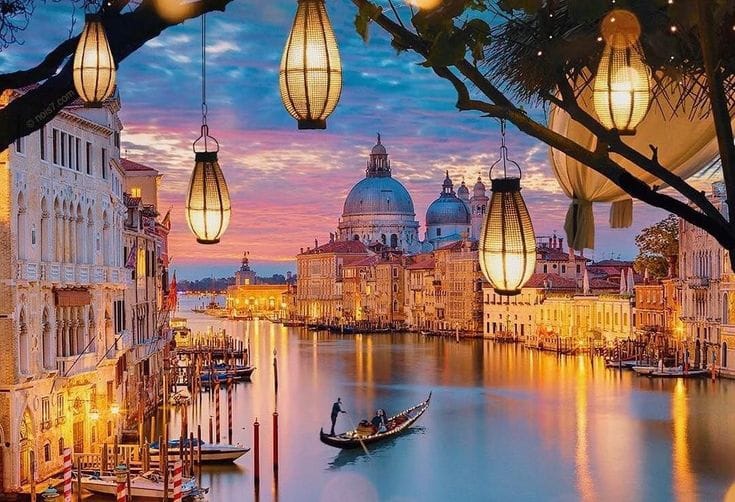
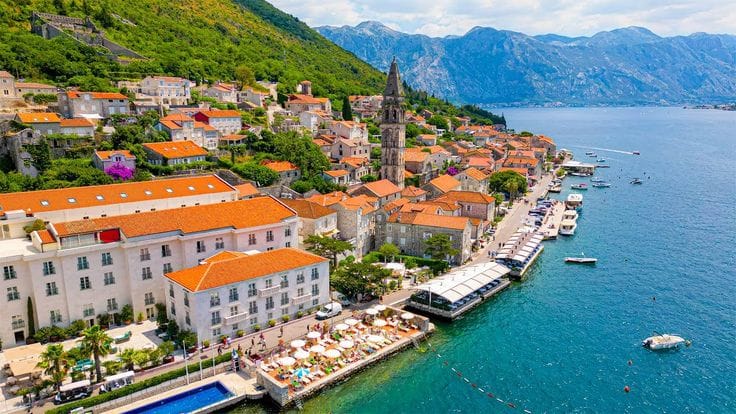
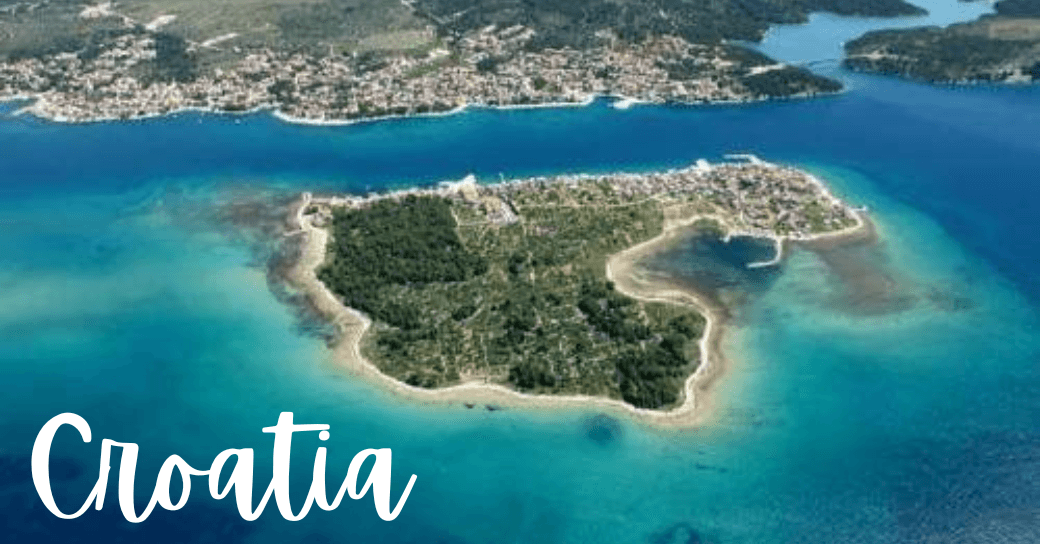
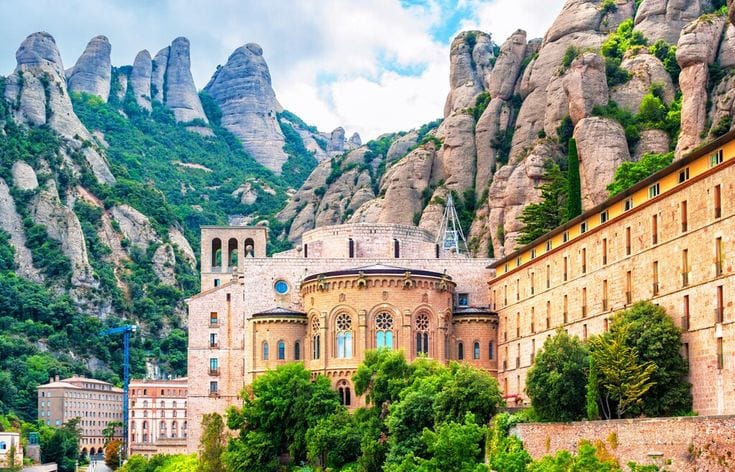
Europe’s iconic cities — Paris, Rome, Amsterdam — once defined the continent’s travel allure. But in 2025, something has shifted. For B2B buyers, agents, and wholesalers, the traditional circuit is no longer enough. The real magic now lies in the “silent cities” — culturally rich, crowd-free, and emotionally immersive destinations that the mainstream market still overlooks. And only the best DMC for Europe knows how to build these journeys with precision, passion, and profitability. As travelers grow weary of overbooked hotspots and overused Instagram backdrops, a new trend has emerged: the rise of the untouched route. It’s a move toward serenity, authenticity, and undiscovered experiences. And it’s not just a traveler trend — it’s a business imperative for modern DMCs ready to lead in 2025. The Rise of Silent Cities: Why Europe’s Hidden Destinations Matter Now What Are “Silent Cities”? “Silent cities” refer to smaller, lesser-known European towns that escape the chaos of tourism yet carry the full weight of heritage, cuisine, architecture, and emotional appeal. Think Graz in Austria, Colmar in France, Tartu in Estonia, Coimbra in Portugal, and Kotor in Montenegro — each brimming with stories, yet untouched by mass travel. These are destinations where the church bells still dictate time, where family-run inns replace hotel chains, and where culture isn’t performed — it’s lived. The best DMCs for Europe recognize this trend not as a passing fad, but as a long-term strategic shift in travel preference. Why Traditional DMC Approaches Are Failing in 2025 Let’s be direct: cookie-cutter packages, pan-European bus tours, and mainstream stops no longer inspire B2B partners or end consumers. In fact: 61% of millennial travelers now prefer offbeat destinations that offer authentic local culture. Overtourism concerns in cities like Venice and Barcelona have led to new regulations, even banning tour groups in key areas. B2B agencies are losing clients to OTA platforms offering customized, niche experiences. In this climate, only the best DMCs in Europe — those who can craft compelling, flexible, and locally immersive experiences — can remain relevant. Logistics in the Shadows: What Great DMCs Do Differently 1. Local Partnerships in Remote Regions Silent cities rarely have standardized tourism infrastructure. Here, trusted DMCs rely on deep local partnerships — with village guides, regional transport providers, boutique stays, and local event organizers. Example: In Coimbra, a top-tier DMC might coordinate a traditional Fado performance in a 12th-century courtyard, complete with regional food and interaction with performers — all without touching a touristic restaurant or public stage. 2. Custom Routing and Multi-Country Navigation Handling offbeat cities across borders (e.g., from Lake Bled to Český Krumlov to Hallstatt) requires intimate knowledge of inter-country logistics — local transport laws, customs norms, minor visa variations, and even multi-currency route design. This is where a boutique European DMC truly shines: building seamless travel circuits between cities that don’t appear on the same brochure — or map. 3. Cultural Sensitivity & Personalization The best DMCs don’t just avoid tourist traps — they tell stories only locals would know. Whether it’s a weaving workshop in Slovenia or olive-oil tasting in Istria with a 3rd-generation farmer, they design travel as human connection. That’s the edge that VaayuTrip, one of the rare players in this space, brings to its European DMC operations — curating intimacy at scale, especially in these untouched corridors. Silent Cities That Only the Best DMCs Know How to Handle Let’s look at a few cities that reflect this new European blueprint — places that are ready for travelers, but not overwhelmed by them: Tartu, Estonia Europe’s Capital of Culture 2024 Bohemian cafés, Baltic folk music, university-town charm Needs specific local interpretation to unlock real experiences Best DMCs partner with university faculty, folklore curators, and community centers Český Krumlov, Czech Republic A fairytale town of cobbled streets and riverside views Strict tourist flow regulations post-2023 Only expert DMCs can manage group pacing, guide permissions, and overnight stays in castle-view boutique lodges Gruyères, Switzerland Often bypassed by large group tours in favor of Lucerne or Interlaken Offers cheese-making workshops, ancient chapels, and the HR Giger Museum Requires time-sensitive routing, regional transport, and French-language local contacts Kotor, Montenegro UNESCO-protected town with Venetian-era walls and Adriatic peace Fast becoming a luxury FIT destination Top DMCs now offer kayak-pilgrim tours, local wine caves, and monastery dinners Why Silent Cities Are a Business Opportunity for B2B Agents 1. Less Competition, Higher Margins Mainstream cities = price wars. Silent cities = premium value, storytelling, and margin control. 2. Niche Branding for B2B Buyers B2B partners can position their agencies as authentic Europe curators, not just ticket pushers. 3. Repeat Business from Curious Travelers Clients who visit the unknown tend to return — asking: “Where else can you take me next?”Silent city travel becomes a journey, not a one-off. The Emotional Blueprint: What Makes a Silent City Travel Experience Unforgettable Beyond logistics, silent city travel demands a new kind of travel architecture — one that prioritizes emotion over checklist. Europe’s best DMCs are evolving from tour builders into emotion designers, crafting journeys that evoke wonder, peace, and deep cultural immersion. From Transactional to Transformational Travel While mainstream trips often end in tired selfies and tourist fatigue, a well-crafted silent city experience can be transformative. Walking through the fog-shrouded alleys of Graz at dawn, dining with locals in Sibiu, or attending a stone-carving workshop in Matera — these are memory anchors. They generate emotional recall, and for agents, customer loyalty. How the Best DMC for Europe Designs Emotion: Behind the Scenes The top-performing DMCs for Europe aren’t just itinerary providers — they are curators of meaning, deploying psychology, anthropology, and storytelling to design impactful travel. Here’s how: 1. Layered Cultural Immersion Great DMCs incorporate subtle cultural layers — such as pairing a walking tour in Plovdiv, Bulgaria, with a private wine ritual that dates back to Thracian times. It’s no longer about just seeing, but belonging, even for a day. 2. Memory Sequencing Experiences are not offered at random. Silent cities require a narrative arc